Blog

  • Energy-Efficient Pyrolysis Plant Design for Plastic Recycling

    Plastic recycling has become a critical component in addressing the mounting environmental challenge of global plastic waste. Among advanced recycling methodologies, pyrolysis stands out for its ability to convert diverse plastic streams into valuable fuel products. Energy-efficient pyrolysis plant design not only maximizes output but also minimizes operational costs and environmental footprint, offering a pragmatic solution for sustainable waste management.

    Optimizing Reactor Configuration

    The core of any plastic pyrolysis equipment is the reactor, where thermal decomposition of polymers occurs under controlled conditions. A well-designed reactor ensures uniform heat distribution, preventing local overheating and incomplete conversion. Employing a continuous feeding system with precise temperature control enhances the overall energy efficiency of the process. Modern designs often integrate multi-stage heating zones, which allow for gradual depolymerization and maximize liquid fuel yield. In regions such as Nigeria, demand for reliable pyrolysis plant in Nigeria has surged, driven by both industrial and community-level waste management needs.
    Heat Recovery and Insulation Strategies

    Energy conservation in a waste plastic to oil machine is heavily influenced by heat retention and recovery systems. High-quality refractory linings reduce thermal losses, while heat exchangers can reclaim residual energy from exhaust gases. This recovered heat can preheat incoming feedstock or maintain reactor temperature, reducing fuel consumption and increasing operational efficiency. Effective insulation and energy recovery are pivotal in achieving low operational costs and improving the sustainability profile of a plastic to fuel machine for sale.

    Feedstock Versatility and Pretreatment

    Energy-efficient pyrolysis plant must accommodate heterogeneous plastic waste streams, including polyethylene, polypropylene, and polystyrene. Pretreatment techniques such as shredding, drying, and contaminant removal optimize feedstock consistency, which directly impacts thermal efficiency and product quality. Uniform particle size promotes even heat penetration, reducing the energy required for pyrolysis while enhancing the yield of high-value liquid oil. For investors seeking pyrolysis plant in Nigeria, feedstock flexibility is a critical factor in securing continuous and reliable production.

    Integrated Condensation and Product Separation

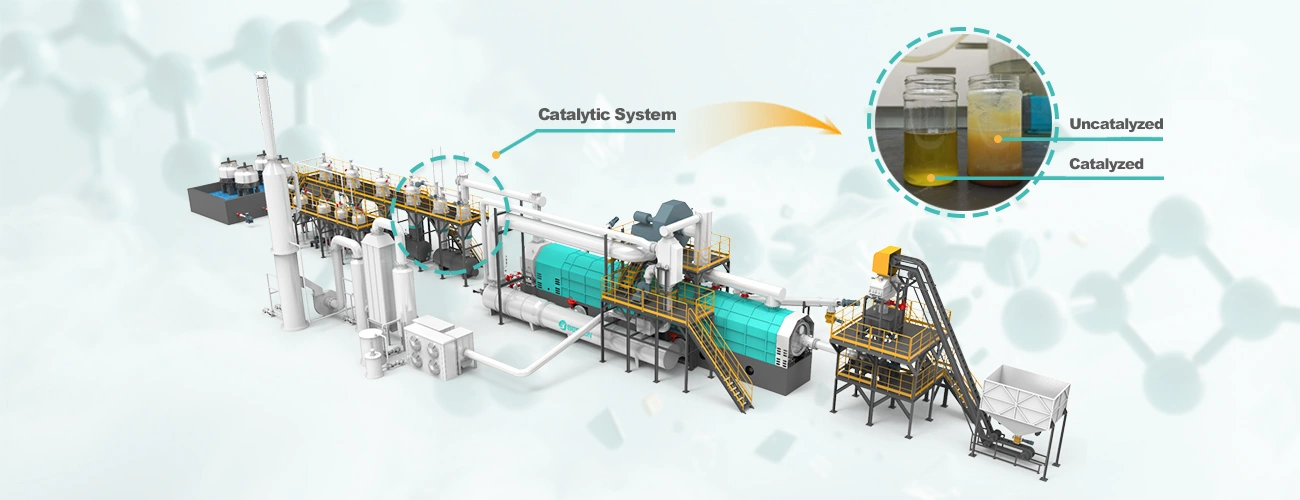
    Post-pyrolysis, the design of condensation and separation systems determines the recovery rate of oil, gas, and solid residues. Multi-stage condensation units coupled with efficient gas recycling loops not only maximize liquid fuel output but also reduce emissions. Solid char residues can be repurposed as an energy source or further processed, contributing to a circular economy. The integration of advanced separation technologies is essential for energy-efficient operations and ensuring compliance with environmental standards.

    Automation and Process Control

    Automation in modern waste plastic to oil machine allows for real-time monitoring of temperature, pressure, and feed rate. Advanced control systems optimize thermal profiles and reactor conditions, minimizing human intervention and energy wastage. Intelligent automation enhances plant reliability, reduces downtime, and ensures consistent quality of produced oil. Companies offering plastic to fuel machine for sale increasingly highlight these features to attract industrial clients and sustainable initiatives in markets such as Nigeria.

    Conclusion

    Designing an energy-efficient pyrolysis plant requires a comprehensive approach that balances reactor engineering, heat recovery, feedstock management, and process automation. Incorporating these elements into a plastic pyrolysis equipment framework not only increases operational efficiency but also strengthens economic viability and environmental stewardship. As waste plastic volumes continue to rise, investing in sophisticated waste plastic to oil machine solutions is becoming an essential strategy for sustainable resource management globally.
  • The Future of Oil Sludge Thermal Desorption Technology in South Africa

    South Africa has rich energy sector and an expanding industrial base. As environmental regulations tighten and the demand for cleaner technologies increases, industries are turning toward advanced solutions that can minimize ecological impact while maximizing resource recovery. Among the emerging technologies, thermal desorption offers a promising pathway for sustainable waste management and oil recovery.

    Understanding the Role of Thermal Desorption

    Thermal desorption is an environmentally friendly process designed to separate hydrocarbons and other contaminants from solid materials like oil sludge, drilling waste, or contaminated soil. This technology operates by heating waste materials to a specific temperature range, causing the hydrocarbons to vaporize. These vapors are then condensed and recovered as usable oil, while the remaining solids are cleaned and often reused. The process dramatically reduces the volume of hazardous waste that must be disposed of and allows for the recovery of valuable resources that would otherwise be lost.

    In industrial applications, the thermal desorption unit plays a central role. It serves as the core system that enables efficient heat transfer and hydrocarbon recovery. By using advanced temperature control and indirect heating systems, it ensures complete treatment of waste materials without causing combustion or secondary pollution.

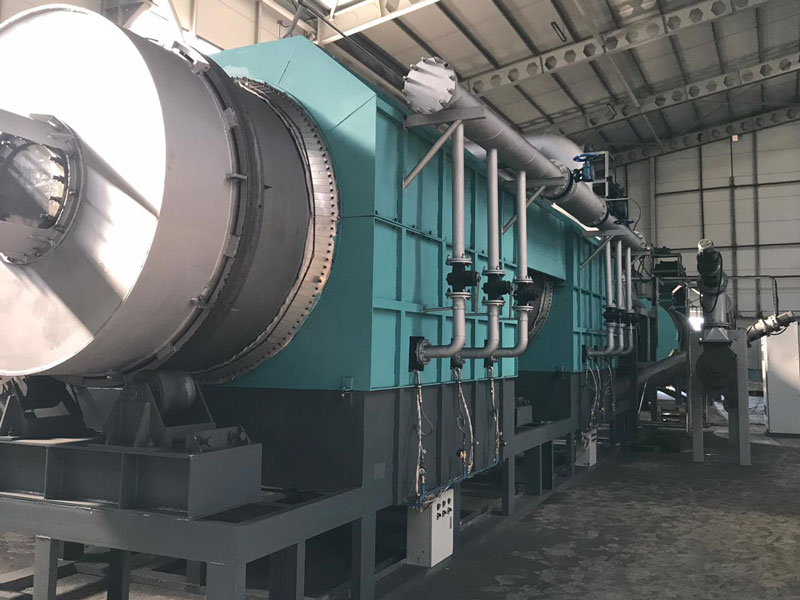
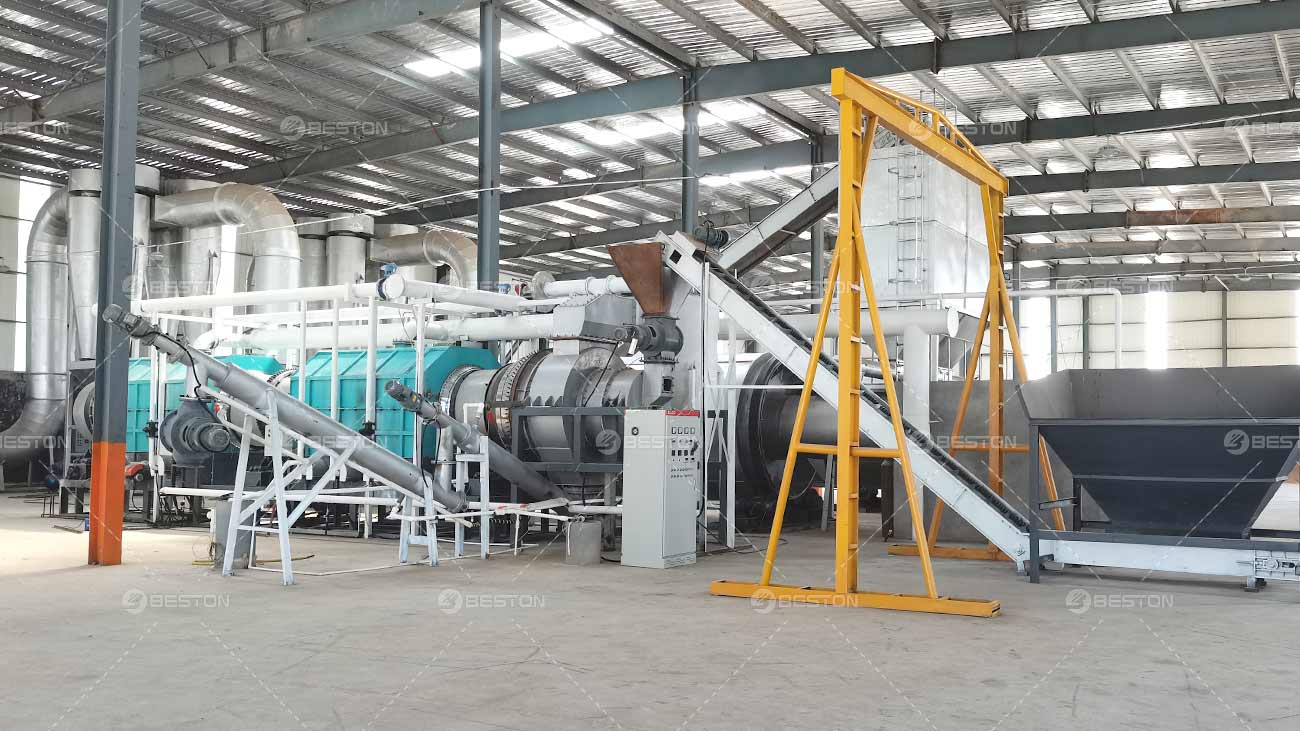
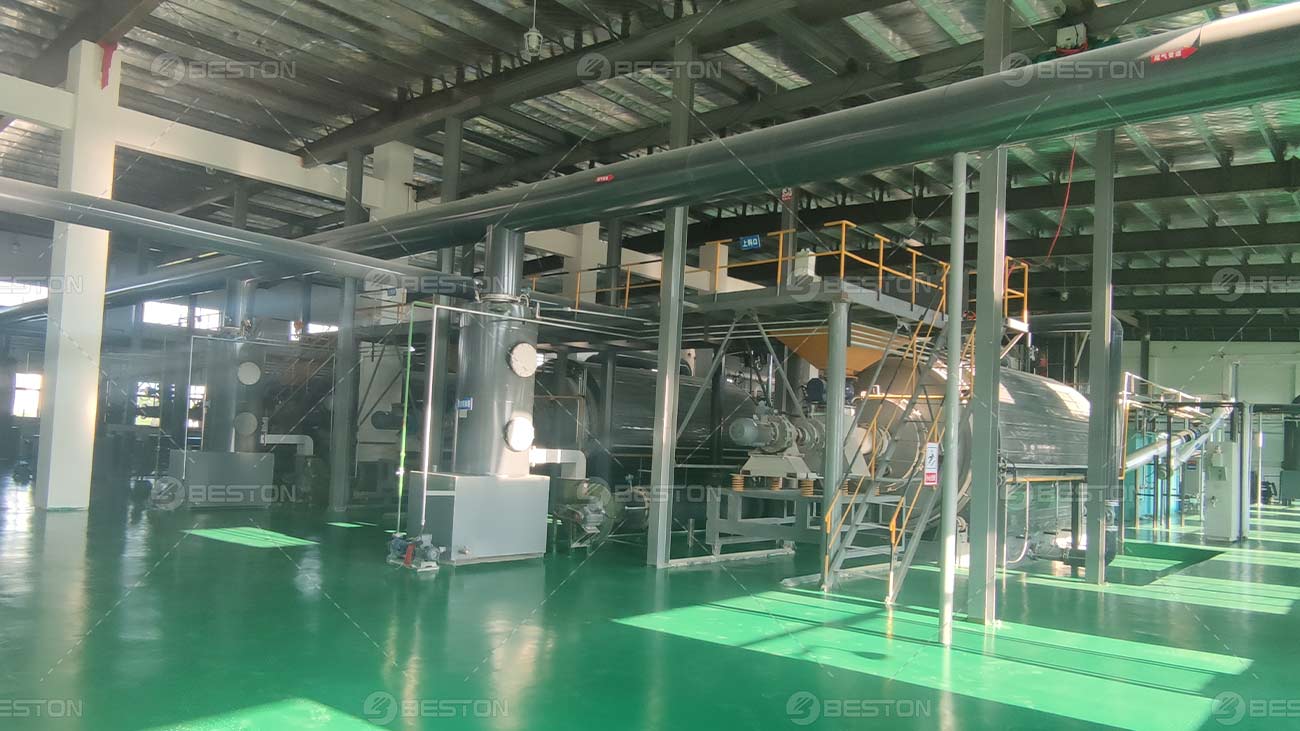
    Thermal Desorption Unit Recycling Oil Sludge

    Current Environmental Challenges in South Africa

    South Africa’s petroleum and mining industries are significant contributors to the nation’s economy, but they also produce large volumes of oily sludge and drilling residues. Improper disposal of this waste can lead to severe soil and water contamination, threatening ecosystems and human health. The traditional methods, such as landfilling or incineration, are no longer sustainable due to strict environmental laws and high operational costs. Therefore, industries are now seeking technologies that can both comply with environmental standards and offer economic returns through resource recovery.

    Government policies in South Africa are gradually shifting toward circular economy principles, encouraging companies to reduce waste, recycle materials, and recover energy from industrial by-products. This shift creates an ideal environment for the adoption of modern waste-to-energy technologies, including thermal desorption and pyrolysis.

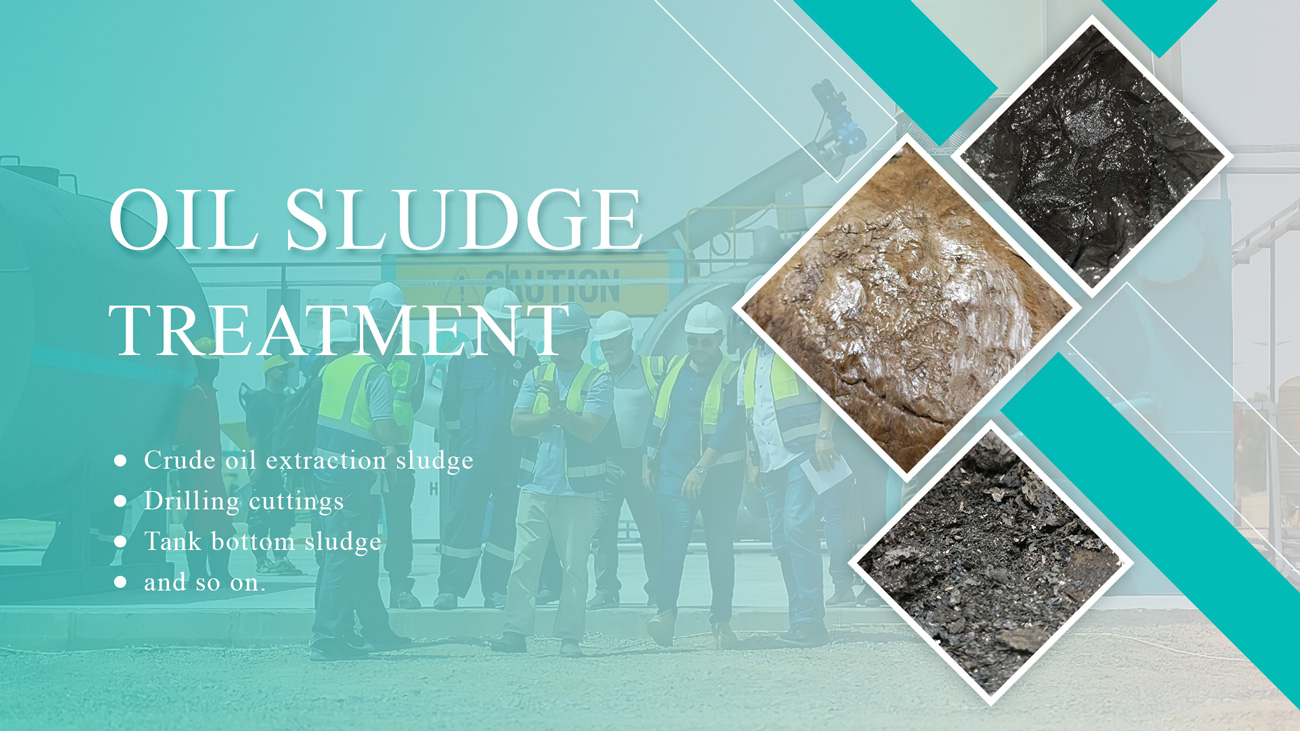
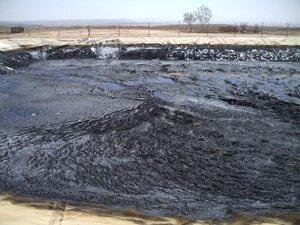
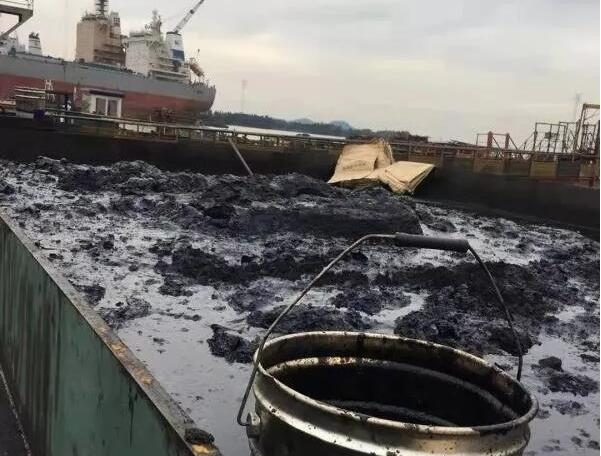
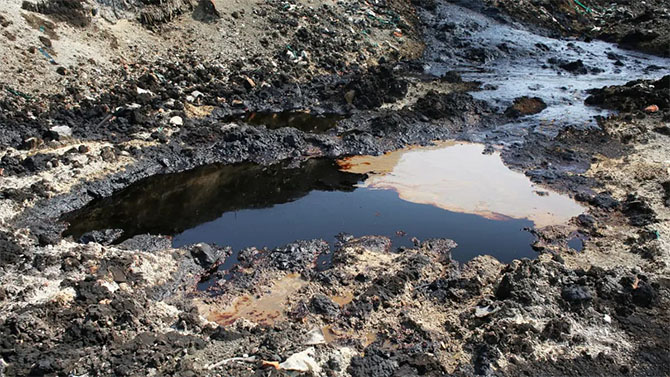
    Oil-Based Cuttings

    Integration with Pyrolysis Technologies

    The thermal desorption process aligns closely with pyrolysis technology, both relying on controlled heating in the absence of oxygen to break down complex hydrocarbons. In South Africa, facilities such as the pyrolysis plant in South Africa are becoming more prevalent as industries explore alternative waste management strategies. These facilities can process not only oil sludge but also tires, plastics, and biomass, converting them into useful products like fuel oil, gas, and carbon black.

    The synergy between thermal desorption and pyrolysis offers a comprehensive waste treatment solution. For example, oil sludge can first undergo thermal desorption to remove free hydrocarbons, and the remaining solids can then be treated in a pyrolysis reactor to extract additional energy and minimize waste to near-zero levels.

    Economic and Environmental Benefits

    Implementing advanced technologies, such as an oil sludge treatment plant brings multiple benefits. Economically, recovered oil can be refined and reused as industrial fuel, reducing dependency on imported petroleum products. Environmentally, the process significantly lowers carbon emissions compared to traditional incineration methods. Furthermore, treated solids can be repurposed for construction materials or safely disposed of, eliminating the long-term liabilities associated with hazardous waste storage.

    In South Africa’s context, where energy security and environmental protection are both top priorities, thermal desorption technology provides a balanced solution. It transforms a waste management problem into an opportunity for energy recovery and sustainable development.

    Oily-Sludge-Treatment-Beston-Group

    Beston Group’s Contribution to Technological Advancement

    The Beston group pyrolysis has been widely recognized for its efficiency, automation, and environmental compliance. Their modular designs allow for easy adaptation to different waste streams and local conditions. In the South African market, Beston’s thermal desorption and pyrolysis solutions provide a strong technological foundation for companies seeking to modernize their waste treatment infrastructure. With their energy-efficient design and advanced emission control systems, these solutions can meet both the country’s industrial and environmental goals.

    Beston Group’s ongoing research focuses on improving heat recovery, lowering energy consumption, and integrating renewable energy inputs into the desorption process. These innovations are expected to make thermal desorption systems even more cost-effective and sustainable in the coming years.

    Future Prospects and Industry Outlook

    As South Africa continues to invest in green technologies, the adoption of thermal desorption units and related pyrolysis systems is expected to grow steadily. Local partnerships between technology providers, government agencies, and industrial operators will play a key role in scaling up this technology nationwide. Additionally, training and capacity-building programs will help local engineers and operators manage and maintain these sophisticated systems, ensuring long-term operational success.

    The combination of favorable policy, technological readiness, and environmental necessity positions South Africa as one of the most promising regions for thermal desorption technology expansion. With proper investment and strategic implementation, the country can significantly reduce its environmental footprint while creating new opportunities for circular economy industries.

    Conclusion

    The path toward a cleaner and more sustainable industrial future in South Africa depends on adopting advanced waste treatment technologies that align with environmental and economic goals. Thermal desorption, when integrated with pyrolysis and supported by innovative companies, can redefine how oil sludge and similar wastes are managed. As the nation strives to balance industrial growth with ecological preservation, embracing such technologies will not only protect the environment but also foster long-term economic resilience.

  • Key Determinants of Coconut Shell Charcoal Machine Pricing

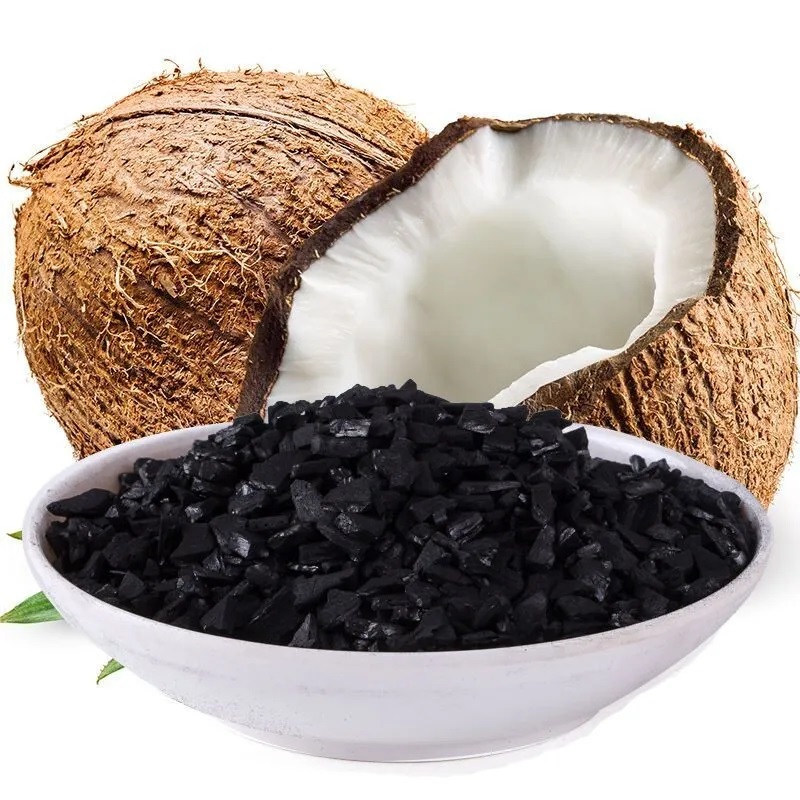
    The price of a coconut shell charcoal machine is influenced by a multitude of factors that determine its overall cost. As demand for eco-friendly and sustainable charcoal production increases, understanding these variables becomes crucial for potential buyers. The right combination of equipment specifications, manufacturing quality, and operational efficiency can significantly affect the price of the charcoal machine. This article explores the key factors that influence the cost of a coconut shell charcoal machine, offering insights into how each element contributes to the final price.

    1. Machine Capacity and Size

    The production capacity and size of a machine for making charcoal are two of the most significant factors influencing its price. Machines with a higher throughput typically cost more due to the increased complexity and scale of their design. For instance, a machine capable of processing large quantities of coconut shells per hour will require more robust components and advanced engineering, which adds to its price.

    Conversely, smaller machines with lower production capacities will generally be more affordable. The specific needs of the buyer will dictate the required capacity, whether it’s a smaller, more affordable model for local production or a larger, industrial-grade machine for large-scale operations.

    2. Technological Features

    Technological advancements incorporated into the charcoal machine significantly affect its price. Machines with advanced features such as automatic feeding systems, precise temperature controls, and continuous operation capabilities tend to be priced higher. Automation in the production process not only increases efficiency but also reduces the need for manual labor, which can be a long-term cost-saving feature.

    Additionally, more sophisticated machines may include safety mechanisms, energy recovery systems, and advanced environmental controls, such as air purification or emissions monitoring, which contribute to higher manufacturing costs. Buyers seeking high-tech solutions for more efficient or environmentally-friendly operations should expect a higher upfront price.

    3. Material and Build Quality

    The materials used to construct the coconut charcoal making machine are integral to its durability and performance, influencing the overall cost. Machines made with high-grade, corrosion-resistant steel, for example, are more expensive to produce but offer longer lifespans and better performance in harsh operating conditions.

    Cheaper machines, often constructed with lower-quality materials, may have a shorter lifespan and lower resistance to wear and tear. While the initial investment may be smaller, these machines may require frequent maintenance or replacement, leading to higher long-term costs.

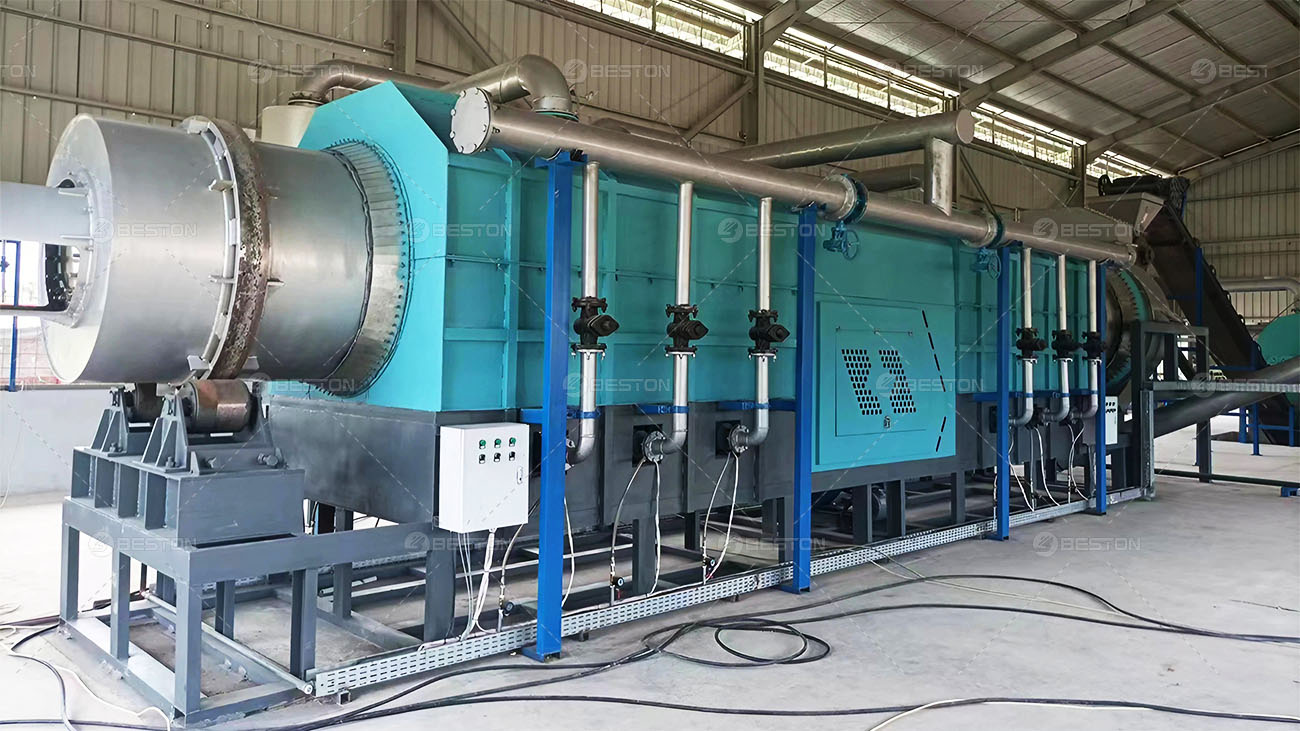
    Beston Charcoal Making Machine

    4. Energy Efficiency

    The energy consumption of a coconut shell charcoal machine is another key factor in its price. Machines designed to be energy-efficient typically come at a higher cost due to the technology involved. These systems are designed to minimize fuel consumption by utilizing waste heat for other processes, such as drying or pre-heating the feedstock.

    Energy-efficient machines can lower operational costs over time, making them an attractive option for businesses that plan on running the machine continuously. While the initial price may be higher, the potential savings in energy costs often make these machines a better investment in the long run.

    5. Production Method and Complexity

    The production process also plays a role in determining charcoal briquette machine price. Machines that use more sophisticated technologies, such as advanced carbonization or pyrolysis methods, are usually more expensive. These machines typically offer higher yields, better product quality, and faster processing times, which justify their higher price.

    Machines with simpler, more traditional carbonization methods tend to be less costly but may have lower efficiency or require more frequent monitoring and maintenance. Depending on the buyer’s needs, the complexity of the production method and its associated costs can vary.

    6. Brand and Manufacturer Reputation

    The reputation of the charcoal machine manufacturer is another significant factor influencing price. Well-established manufacturers with a history of producing high-quality, reliable equipment tend to charge a premium for their products. This premium is often justified by the manufacturer’s reputation for product reliability, after-sales support, and warranty services.

    On the other hand, lesser-known brands or manufacturers may offer machines at a lower price, but buyers should carefully assess their product quality and customer service capabilities. In some cases, opting for a more affordable machine from an unknown brand can lead to long-term risks if the equipment lacks durability or after-sales support. Want to get a one-stop product experience? You can choose Beston Group.

    7. Geographic Location and Shipping Costs

    The geographic location of both the buyer and manufacturer can affect the price of the charcoal machine, especially if the machine needs to be shipped internationally. Shipping costs, import taxes, and tariffs can add significant expenses to the base price of the equipment. For buyers located far from the manufacturer, these additional costs can be substantial and should be considered when calculating the total cost of acquisition.

    Manufacturers located closer to the buyer may offer reduced shipping rates, resulting in lower overall costs. Additionally, local manufacturers may have the advantage of offering faster delivery times and easier access to spare parts and maintenance services.

    8. After-Sales Service and Warranty

    After-sales support, including warranties, maintenance services, and spare parts availability, is an essential consideration when purchasing a coconut shell charcoal machine. Machines that come with a comprehensive warranty and readily available spare parts can save the buyer significant amounts in repair and maintenance costs over time.

    Machines without adequate after-sales service may result in hidden costs due to breakdowns, delays, or the difficulty of sourcing replacement parts. As such, the level of service offered by the manufacturer is a key consideration when evaluating machine prices.

    9. Market Demand and Supply

    Lastly, the general market demand and supply for coconut shell charcoal machines can have an impact on pricing. During periods of high demand or when the market for charcoal production is particularly profitable, prices may increase due to the higher demand for machines. Conversely, during times of economic downturn or oversupply, prices may decrease as manufacturers compete to attract customers.

    Buyers should be mindful of market trends and timing when making their purchase to avoid paying inflated prices during periods of high demand.

  • The Impact of Mold Quality on Egg Tray Machine Production Efficiency

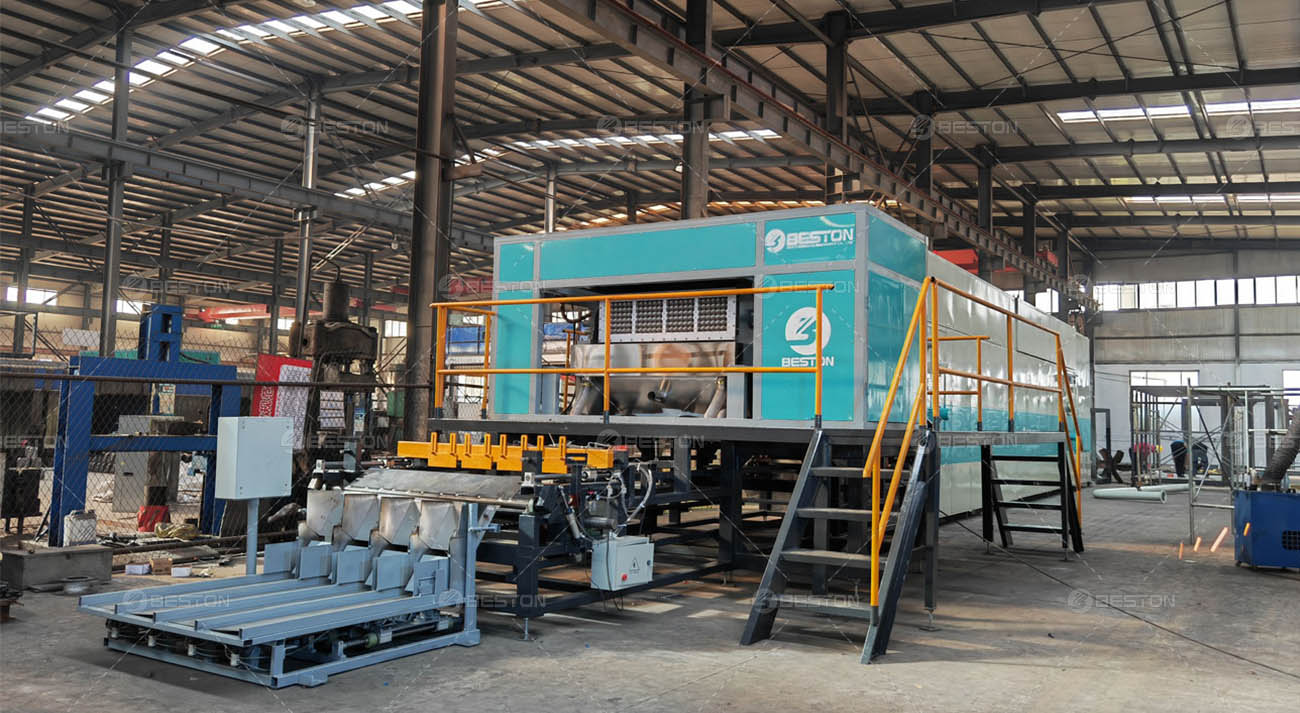
    In the realm of egg tray manufacturing, the efficiency and quality of production are paramount. A critical component influencing these factors is the mold used in the egg tray making process. Mold quality directly affects the performance and output of the egg tray machine, impacting both the final product and the egg tray making machine price. This article delves into how mold quality influences the efficiency of egg tray machines, examining key aspects such as production speed, product consistency, and cost implications.

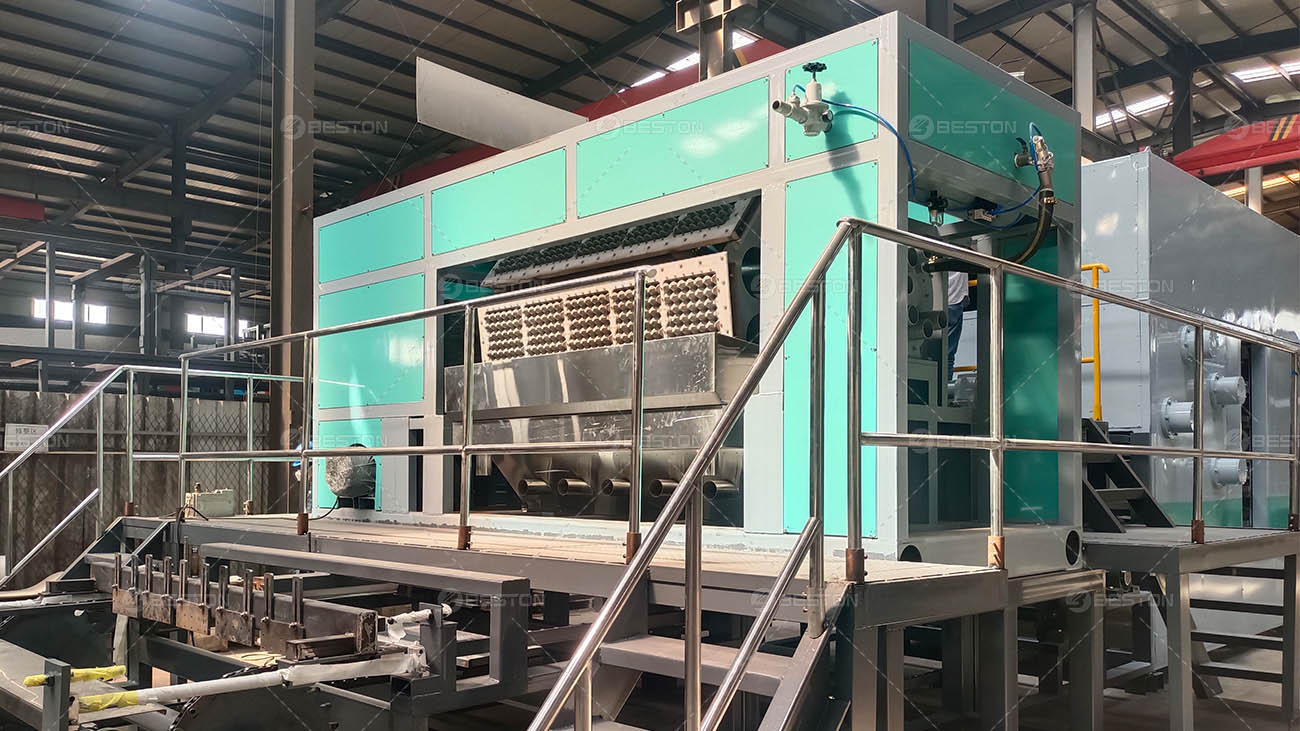
    BTF5-8 Egg Tray Making Machine

    Understanding the Role of Molds in Egg Tray Production

    Molds are integral to the operation of an egg tray manufacturing machine. They define the shape and structure of the egg trays produced and play a crucial role in the formation process. The mold quality affects various facets of production, from the accuracy of tray dimensions to the durability of the finished product.

    Functionality of Molds

    In an egg tray machine, molds receive the wet pulp mixture and shape it into the final tray design. The pulp is formed into trays through a process of vacuum suction and compression. High-quality molds ensure that the trays have consistent dimensions and meet the desired specifications. Conversely, poor-quality molds can lead to defects and inconsistencies in the final product.

    Material and Design Considerations

    The material and design of the molds are critical factors influencing their performance. Molds are typically made from metal alloys or other durable materials that can withstand the high temperatures and pressures involved in the egg tray production process. Advanced mold designs often incorporate features that enhance the efficiency of the manufacturing process, such as improved drainage systems and better heat distribution.

    Impact of Mold Quality on Production Efficiency

    The quality of molds used in an egg tray maker machine significantly impacts production efficiency. Factors such as production speed, tray quality, and machine maintenance are all influenced by mold quality.

    Production Speed

    High-quality molds contribute to the efficient operation of an egg tray machine by allowing for faster production cycles. Molds with precise dimensions and smooth surfaces enable quicker release of trays from the mold, reducing the time required for each production cycle. This results in increased throughput and a higher number of trays produced per hour.

    Conversely, molds with poor quality or defects can slow down the production process. Issues such as irregular tray dimensions, difficulty in releasing trays, and frequent mold maintenance can lead to reduced production speeds and increased downtime.

    Tray Quality

    The quality of the trays produced is directly linked to the quality of the molds used. High-quality molds produce trays with consistent dimensions, smooth surfaces, and precise shapes. This consistency is crucial for applications where tray uniformity is essential, such as in packaging and transportation.

    Low-quality molds, on the other hand, can lead to defects such as uneven surfaces, dimensional inaccuracies, and weak points in the trays. These defects can compromise the functionality of the trays and lead to increased rejection rates or product failures.

    Machine Maintenance

    The durability and maintenance requirements of molds affect the overall efficiency of the egg tray manufacturing process. High-quality molds are designed to withstand the rigors of continuous use, requiring less frequent maintenance and replacement. This reduces the operational costs associated with mold upkeep and minimizes production interruptions.

    In contrast, molds of inferior quality may experience wear and tear more quickly, leading to increased maintenance needs and more frequent replacements. This can result in higher operational costs and reduced overall efficiency of the egg tray manufacturing machine.

    Cost Implications of Mold Quality

    The cost of molds is a significant consideration in the egg tray manufacturing process. The initial investment in high-quality molds can be substantial, but it often leads to cost savings in the long run through improved production efficiency and reduced maintenance needs.

    Initial Investment

    The price of egg tray making machines varies depending on factors such as the machine’s capacity, features, and the quality of the molds. Investing in high-quality molds typically involves a higher initial cost but provides benefits such as enhanced production efficiency and tray quality.

    Long-Term Savings

    High-quality molds contribute to long-term savings by reducing the need for frequent replacements and maintenance. The improved durability of quality molds means fewer disruptions in production and lower overall operational costs. Additionally, the consistent production of high-quality trays can lead to fewer rejects and increased customer satisfaction.

    BTF4-4-Egg-Tray-Making-Machine

    Choosing the Right Egg Tray Machine Manufacturers

    Selecting reputable egg tray machine manufacturers is crucial for obtaining high-quality molds and machines. Manufacturers with a strong track record of producing reliable equipment are more likely to provide molds that meet high standards of performance and durability.

    Evaluating Manufacturers

    When evaluating egg tray machine manufacturers, consider factors such as their experience, customer reviews, and the quality of their products. Reputable manufacturers often provide detailed information about the materials and design features of their molds, allowing for informed decision-making.

    Ensuring Quality Control

    Quality control is an essential aspect of choosing the right manufacturer. Manufacturers that implement rigorous quality control processes are more likely to produce molds that meet high standards of precision and durability. Ensure that the manufacturer provides certifications and guarantees related to the quality of their molds.

    Conclusion

    The quality of molds used in egg tray production has a profound impact on the efficiency and effectiveness of the manufacturing process. High-quality molds contribute to faster production speeds, consistent tray quality, and reduced maintenance needs. While the initial investment in high-quality molds may be higher, the long-term benefits in terms of production efficiency and cost savings are substantial.

    Choosing reputable egg tray machine manufacturers who provide high-quality molds is essential for achieving optimal production results. By understanding the critical role of mold quality, manufacturers can make informed decisions that enhance the efficiency and profitability of their egg tray production operations.

  • Revolutionizing Waste Management: The Sustainability Promise of Thermal Desorption Units (TDUs)

    In the quest for sustainable waste management solutions, the Thermal Desorption Unit (TDU) emerges as a groundbreaking technology. This innovative system plays a crucial role in addressing environmental pollution by efficiently treating contaminated soils and industrial waste. This blog explores how TDUs contribute to sustainability, outlining their operational principles, environmental benefits, social impacts, and governance aspects, while highlighting the importance of integrating TDUs into modern waste management practices.

    Understanding Thermal Desorption Units

    A thermal desorption unit (TDU) is an advanced technology designed to treat contaminated soils and industrial waste by using heat to volatilize contaminants. This process separates hazardous substances from the solid matrix without destroying them, allowing for their subsequent collection and safe disposal or recycling.

    How TDUs Work

    1. Heating: Contaminated material is fed into the TDU, where it is heated to a specific temperature. This temperature varies depending on the nature of the contaminants but generally ranges between 200°C and 600°C.
    2. Volatilization: The applied heat causes volatile contaminants to vaporize. These contaminants are then captured in the gas phase.
    3. Collection and Treatment: The vaporized contaminants are collected and treated in off-gas treatment systems, which may include condensers, scrubbers, or filters, to ensure that harmful substances are safely removed.
    4. Residue Management: The treated solid material, now free of volatile contaminants, can be safely reused or disposed of in compliance with environmental regulations.

    Environmental Benefits of TDUs

    Thermal desorption units offer several environmental advantages that make them an attractive option for sustainable waste management.

    1. Reduction of Soil and Water Contamination

    TDUs effectively remove organic contaminants, such as hydrocarbons, pesticides, and solvents, from soils. This significantly reduces the risk of soil and groundwater contamination, contributing to the restoration of polluted sites and the protection of ecosystems.

    2. Minimization of Landfill Use

    By treating contaminated materials onsite, TDUs reduce the need to transport and dispose of hazardous waste in landfills. This not only minimizes the environmental impact associated with landfill use but also conserves valuable landfill space.

    3. Air Quality Improvement

    The off-gas treatment systems in oil sludge pyrolysis plant for sale are designed to capture and treat volatile contaminants, preventing them from being released into the atmosphere. This helps improve air quality and reduce the health risks associated with air pollution.

    4. Resource Recovery

    TDUs enable the recovery of valuable materials from waste. For instance, treated soils can be reused in construction or landscaping projects, reducing the demand for virgin materials and promoting a circular economy.

    Social Impact of TDUs

    The deployment of TDUs has significant social implications, contributing to public health, community well-being, and economic development.

    1. Enhanced Public Health

    By effectively removing hazardous contaminants from soils and waste, TDUs mitigate the health risks associated with exposure to toxic substances. This is particularly important in urban areas and industrial sites where human populations are at greater risk.

    2. Community Revitalization

    Cleaning up contaminated sites through TDU technology can lead to the revitalization of communities. Remediated sites can be repurposed for housing, commercial use, or recreational areas, enhancing the quality of life for residents and boosting local economies. The plastic pyrolysis plant is also an recycling equipment.

    3. Job Creation and Economic Growth

    The operation and maintenance of TDUs create job opportunities in environmental engineering, technology development, and waste management. Moreover, the ability to reclaim and repurpose land can attract new businesses and investments, fostering economic growth.

    Governance and Implementation of TDUs

    Effective governance and strategic implementation are crucial to maximizing the sustainability benefits of TDUs. This involves regulatory compliance, stakeholder engagement, and continuous innovation.

    1. Regulatory Compliance

    TDUs must operate in compliance with local, national, and international environmental regulations. Ensuring that these units meet stringent safety and environmental standards is essential to their successful deployment and operation.

    2. Stakeholder Engagement

    Engaging stakeholders, including local communities, government agencies, and industry partners, is vital for the successful implementation of TDUs. Transparent communication and collaboration help build trust and support for TDU projects.

    3. Continuous Innovation and Improvement

    Investing in research and development is key to advancing TDU technology. Continuous innovation can lead to more efficient and cost-effective systems, broader applicability, and enhanced environmental performance.

    4. Monitoring and Reporting

    Regular monitoring and reporting of TDU operations ensure that they achieve desired environmental and social outcomes. This involves tracking the effectiveness of contaminant removal, compliance with emissions standards, and the impact on local communities.

    Case Study: TDU Success in Action

    A notable example of TDU success is the remediation of a former industrial site contaminated with petroleum hydrocarbons. By employing a TDU, the project successfully treated thousands of tons of contaminated soil, reducing pollutant levels to below regulatory limits. The treated soil was reused in local construction projects, while the recovered contaminants were safely disposed of, demonstrating the practical benefits of TDU technology in real-world applications.

    Conclusion

    Thermal Desorption Units represent a transformative approach to sustainable waste management. By efficiently treating contaminated soils and industrial waste, TDUs offer substantial environmental, social, and economic benefits. Their ability to reduce soil and water contamination, minimize landfill use, improve air quality, and recover valuable resources underscores their importance in modern waste management strategies.

    As we move towards a more sustainable future, the integration of TDU technology will be essential in addressing the complex challenges of waste management. Through regulatory compliance, stakeholder engagement, continuous innovation, and effective governance, TDUs can play a pivotal role in creating a cleaner, healthier, and more sustainable world. See the Beston Group that has the greener goal.

  • Optimizing Biomass Pyrolysis: Feedstock Selection and Process Parameters

    Biomass pyrolysis is an innovative technique transforming organic materials into valuable products like biochar, bio-oil, and syngas. This process holds immense potential for sustainable energy production and carbon sequestration. However, the efficiency and yield of a biomass pyrolysis plant are highly contingent on the careful selection of feedstock and meticulous control of process parameters.

    Feedstock Selection

    The choice of feedstock is the cornerstone of an efficient biomass pyrolysis plant. Diverse biomass sources, such as agricultural residues, forestry waste, and dedicated energy crops, present varying characteristics that significantly impact the pyrolysis outcomes.

    Agricultural Residues

    Agricultural residues, including rice husks, corn stover, and wheat straw, are abundant and often underutilized. These materials generally have high cellulose and hemicellulose content, which are conducive to producing bio-oil. However, their high ash content can pose challenges, such as catalyst deactivation and fouling of equipment in a biomass pyrolysis plant. Pretreatment methods like washing or torrefaction can mitigate these issues, enhancing the efficiency and longevity of the plant.  Welcome visit: https://ru.bestonpyrolysisplant.com/biomass-pyrolysis-plant/

    Forestry Waste

    Forestry residues, such as wood chips, sawdust, and bark, are another viable feedstock option. These materials typically contain lower ash content and higher lignin levels, which favor the production of biochar. The homogeneity of forestry waste ensures a more consistent feedstock supply, crucial for stable operation and output quality in a biomass pyrolysis plant.

    biomass biochar

    Dedicated Energy Crops

    Dedicated energy crops, like switchgrass and miscanthus, are cultivated specifically for bioenergy production. These crops are bred for high yield and low input requirements, making them an attractive feedstock. Their consistent composition and low moisture content reduce preprocessing needs, streamlining the pyrolysis process. However, the economic and environmental costs of growing these crops, including land use and water consumption, must be carefully balanced.

    Process Parameters

    Optimizing the process parameters in a biomass pyrolysis plant, such as wood pyrolysis plant, is essential to maximize the yield and quality of the desired products. Key parameters include temperature, heating rate, residence time, and the presence of catalysts.

    Temperature

    The pyrolysis temperature profoundly influences the distribution of pyrolysis products. Low-temperature pyrolysis (300-500°C) tends to produce more biochar, while high-temperature pyrolysis (500-700°C) favors the formation of bio-oil and syngas. Each temperature range yields distinct products with specific applications, necessitating precise temperature control based on the desired output of the biomass pyrolysis plant.

    Heating Rate

    The heating rate determines the thermal decomposition of biomass and the resultant product spectrum. Slow pyrolysis, characterized by low heating rates (0.1-1°C/s), enhances biochar production due to prolonged thermal exposure. Conversely, fast pyrolysis, with high heating rates (10-200°C/s), maximizes bio-oil yield by rapidly decomposing biomass. Balancing the heating rate is crucial for optimizing the efficiency and output of a biomass pyrolysis plant.

    Residence Time

    Residence time, or the duration biomass remains in the pyrolysis reactor, also affects product distribution. Longer residence times generally increase biochar yields, as the biomass undergoes more extensive carbonization. Shorter residence times favor bio-oil production by minimizing secondary reactions that can degrade volatile compounds. Fine-tuning residence time is essential for achieving the desired product balance in a biomass pyrolysis plant.

    Catalysts

    The use of catalysts in a biomass pyrolysis plant can significantly enhance the process efficiency and product quality. Catalysts such as zeolites, metal oxides, and activated carbon can promote specific reactions, increasing bio-oil yield and improving its composition. Catalytic pyrolysis also aids in reducing the formation of unwanted by-products like tar. However, catalyst selection and regeneration are critical to maintaining cost-effectiveness and operational stability.

    Integrating Feedstock and Process Optimization

    The synergistic integration of feedstock selection and process parameter optimization is pivotal for maximizing the performance of a biochar making machine. Each feedstock type interacts uniquely with process parameters, necessitating tailored approaches for different biomass sources.

    For instance, agricultural residues with high ash content benefit from pretreatment and lower pyrolysis temperatures to reduce fouling and enhance biochar quality. In contrast, forestry waste with lower ash content can be efficiently processed at higher temperatures to maximize bio-oil yield.

    Dedicated energy crops, with their consistent composition, allow for more predictable optimization of process parameters. Fast pyrolysis with high heating rates and moderate temperatures can effectively convert these crops into high-quality bio-oil, making the most of their inherent properties.

    Future Perspectives

    The future of biomass pyrolysis plants lies in continuous innovation and refinement. Advanced reactor designs, such as fluidized bed reactors and microwave-assisted pyrolysis, offer improved heat transfer and process control, enhancing product yields and process efficiency. Integrating machine learning and artificial intelligence can further optimize process parameters in real-time, adapting to feedstock variations and operational conditions.

    Additionally, the development of multi-feedstock pyrolysis systems can enable the co-processing of diverse biomass sources, enhancing feedstock flexibility and resilience. By leveraging the unique properties of different biomasses, these systems can optimize product yields and quality, ensuring the sustainable operation of biomass pyrolysis plants.

    Biomass Pyrolysis Plant

    Conclusion

    Optimizing a biomass pyrolysis plant requires a nuanced understanding of feedstock characteristics and process parameters. The selection of appropriate biomass sources, coupled with precise control of temperature, heating rate, residence time, and catalysts, is crucial for maximizing the efficiency and output of the plant. As technology advances and our understanding of pyrolysis deepens, the potential for sustainable and efficient bioenergy production through optimized biomass pyrolysis continues to grow, promising a greener and more sustainable future. Explore deeper with Beston Group. https://ru.bestonpyrolysisplant.com/about-us/


    4o
  • Disposal Options for Oil-Based Cuttings: Pyrolysis

    In the realm of managing oil-based cuttings, pyrolysis emerges as a promising avenue. This innovative method offers a sustainable solution for dealing with oil sludge, transforming it into valuable resources. With the aid of modern technology, particularly oil sludge pyrolysis plant, the potential for efficient disposal is significantly heightened.

    Oil-Based Cuttings

    Understanding Pyrolysis

    Pyrolysis, at its core, is a decomposition process in TDU unit where organic materials transform in the absence of oxygen. This technique holds immense potential for handling oil-based cuttings due to its ability to break down complex hydrocarbons into simpler compounds.

    The Mechanism

    At elevated temperatures ranging from 400 to 800 degrees Celsius, oil sludge is subjected to pyrolysis within a controlled environment. The absence of oxygen prevents combustion, leading to the breakdown of organic matter into three primary products: gas, liquid, and solid residues.

    Gas Fraction

    The gaseous byproducts of pyrolysis, including methane, ethane, and hydrogen, possess significant energy potential. Through proper processing, these gases can be utilized as fuel sources or further refined for industrial applications.

    Liquid Fraction

    Pyrolysis yields a liquid phase known as bio-oil or pyrolysis oil. This viscous substance contains a mix of hydrocarbons suitable for various purposes, such as fuel production, chemical synthesis, or as a feedstock for refineries.

    Solid Residues

    The solid residues, often referred to as char or biochar, retain carbonaceous material along with inert components. These residues can be utilized as soil amendments, aiding in soil fertility and carbon sequestration.

    The Role of Oil Sludge Pyrolysis Plants

    The oil sludge pyrolysis plant serves as the cornerstone for implementing this disposal method effectively. These specialized facilities are equipped with advanced technology tailored to the intricacies of pyrolysis processes.

    Process Integration

    Oil sludge pyrolysis plants integrate various stages, including feeding, heating, pyrolysis reaction, and product recovery. Each step is meticulously controlled to ensure optimal efficiency and product quality.

    Feeding System

    A crucial component of these plants is the feeding system, designed to introduce oil-based cuttings into the pyrolysis reactor accurately. Automated mechanisms ensure a continuous supply of feedstock, minimizing downtime and maximizing throughput.

    Heating Mechanism

    The heating mechanism, often employing indirect heating methods like rotary kilns or fluidized beds, facilitates the thermal decomposition of oil sludge. Precise temperature control is maintained to achieve the desired pyrolysis conditions.

    Pyrolysis Reactor

    Central to the process is the pyrolysis reactor, where oil sludge undergoes transformation under controlled temperature and pressure conditions. The reactor design influences residence time, heat transfer efficiency, and product yields.

    Product Recovery

    Efficient separation and recovery systems are employed to isolate the gas, liquid, and solid fractions produced during pyrolysis. Advanced separation techniques ensure high purity and quality of the derived products.

    Beston Group China, as a leading pyrolysis plant manufacturer, provides technologically advanced equipment.

    Advantages of Pyrolysis for Oil-Based Cuttings Disposal

    Pyrolysis offers several distinct advantages over traditional disposal methods, making it an attractive option for managing oil-based cuttings effectively.

    Environmental Sustainability

    By converting oil sludge into useful products, pyrolysis minimizes environmental impact, mitigating the risk of soil and water contamination associated with conventional disposal techniques.

    Resource Recovery

    Pyrolysis enables the recovery of valuable resources from oil-based cuttings, including energy-rich gases, liquid fuels, and carbon-rich solids. This resource recovery aspect adds economic value to the process.

    Reduction of Hazardous Waste

    Traditional methods often result in hazardous waste generation, posing significant challenges for disposal. Pyrolysis reduces the volume of waste while converting hazardous materials into useful products or inert residues.

    Energy Independence

    The energy-rich products derived from pyrolysis, such as bio-oil and syngas, contribute to energy independence by providing alternative sources of fuel and feedstock, reducing reliance on fossil fuels.
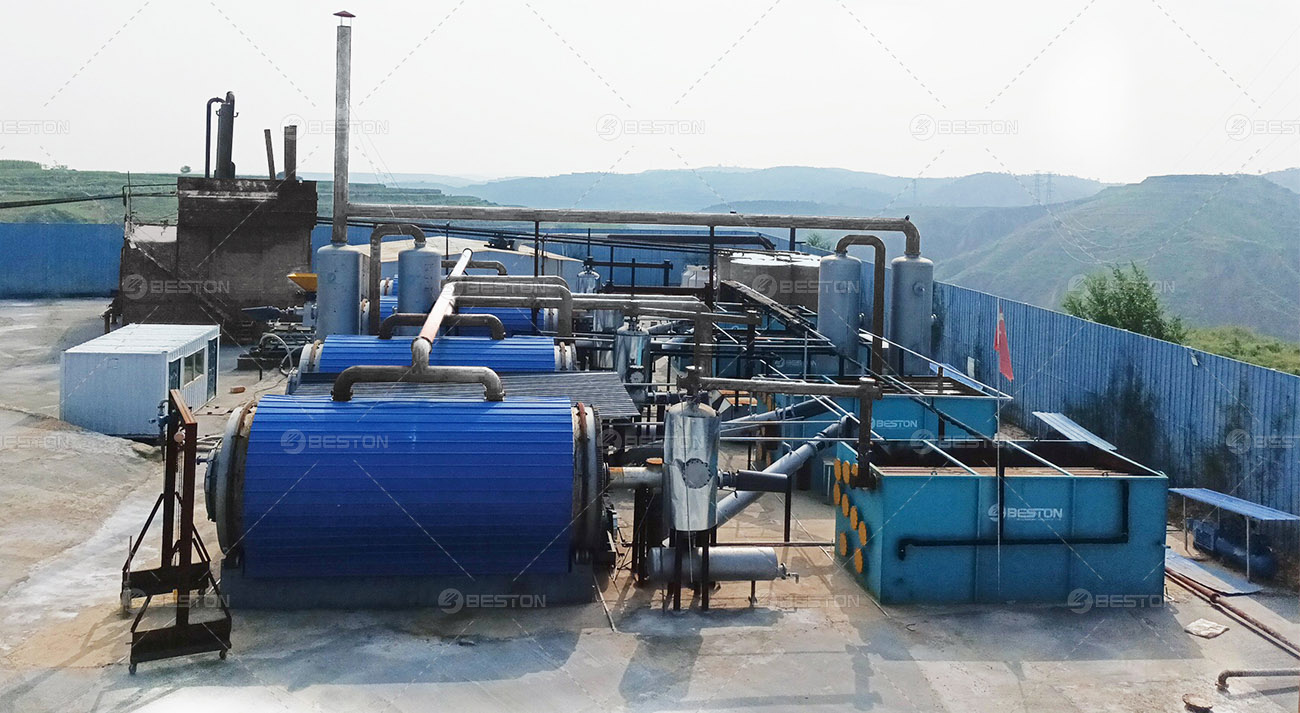
    Production Site of Oil Sludge Pyrolysis Plant

    Challenges and Considerations

    Despite its potential, pyrolysis for oil-based cuttings disposal is not without challenges and considerations that warrant attention.

    Capital Investment

    Establishing oil sludge pyrolysis plants requires significant capital investment due to the complex infrastructure and specialized equipment involved. Initial investment costs must be carefully evaluated against long-term benefits. This way we can break even with the cost of pyrolysis plant.

    Operational Efficiency

    Achieving optimal operational efficiency relies on maintaining consistent feedstock quality, optimizing process parameters, and minimizing energy consumption. Continuous monitoring and process optimization are essential for maximizing performance.

    Regulatory Compliance

    Compliance with environmental regulations and safety standards is paramount in the operation of pyrolysis plants. Stringent regulatory requirements govern emissions, waste disposal, and occupational health and safety.

    End-Product Utilization

    The utilization of pyrolysis products, particularly bio-oil and solid residues, must align with market demands and regulatory frameworks. Developing viable markets for these products is crucial for ensuring the economic viability of the process.

    Conclusion

    In conclusion, pyrolysis presents a viable solution for the disposal of oil-based cuttings, offering environmental sustainability, resource recovery, and energy independence. Oil sludge pyrolysis plants play a pivotal role in implementing this technology, enabling efficient conversion of waste into valuable products. Despite challenges, the potential benefits of pyrolysis underscore its significance in addressing the complex issue of oil-based waste management. As technology advances and regulatory frameworks evolve, pyrolysis is poised to become a cornerstone of sustainable waste disposal practices in the oil and gas industry.

  • Navigating the Plastic Recycling Odyssey: Unraveling the Intricacies of 1 Ton

    In the labyrinth of environmental stewardship, the recycling odyssey of one ton of plastic demands a meticulous dance of considerations. As we embark on this journey, let’s navigate the uncharted waters and delve into the factors that cast a profound impact on the sustainable reincarnation of plastic.

    The Plastic Quandary

    Before delving into the considerations, let’s acknowledge the sheer complexity of the plastic landscape. Plastic, a ubiquitous material in our modern world, presents both a marvel and a menace. Its durability, a boon in product longevity, becomes a bane when it transforms into waste, lingering in our ecosystems for centuries. The plastic pyrolysis plant is a green pyrolysis solution.

    The Plastic Code

    Every plastic item carries a secret code, a numeric insignia on its surface known as the Resin Identification Code (RIC). These codes, ranging from #1 to #7, signify the type of plastic and play a pivotal role in the recycling journey. Each code demands a unique approach, and understanding this plastic lexicon becomes the first step in the recycling ballet.

    Plastic Oil
    Plastic Oil

    Weighing the Factors

    1. Type of Plastic

    Not all plastics are created equal. The Resin Identification Code unveils the identity of the plastic, ranging from the commonly recycled PET (#1) to the intricate blends denoted by #7. Each type requires a tailored recycling process, and discerning the plastic’s pedigree lays the foundation for effective recycling.

    2. Contamination Levels

    The purity of the plastic stream is paramount. Contaminants, be it food residue or non-plastic materials, can sabotage the recycling process. The meticulous sorting of plastic waste at its source and the removal of impurities become critical steps in ensuring a clean and efficient recycling stream. See the plastic to oil machine here.

    3. Size and Form

    The dimensions of plastic items wield influence. While smaller items can navigate recycling machinery with ease, larger or irregularly shaped pieces might pose challenges. The size and form of the plastic items dictate the efficiency of the shredding and processing stages, emphasizing the need for uniformity.

    4. Market Demand

    Recycling, at its core, is a symbiotic relationship between environmental responsibility and market dynamics. The demand for recycled plastic fluctuates, and understanding the market forces becomes integral. Factors such as the availability of buyers for specific types of recycled plastic shape the feasibility of recycling endeavors.

    5. Energy Footprint

    The environmental gains of recycling can be offset by the energy consumed in the process. Evaluating the energy footprint of recycling methods ensures that the overall impact aligns with sustainable practices. Innovations, including emerging technologies like plastic pyrolysis, contribute to minimizing the energy intensity of the recycling journey.

    The Rise of Plastic Pyrolysis

    Amidst the traditional recycling methods, a revolutionary contender emerges – plastic pyrolysis. This avant-garde technique involves the thermal decomposition of plastic in the absence of oxygen, birthing a spectrum of valuable products. Check the plastic to fuel machine here.

    The Pyrolytic Alchemy

    Plastic pyrolysis, a form of environmental alchemy, transforms plastic into valuable outputs such as liquid fuel, gas, and char. This process not only circumvents the challenges posed by complex plastic compositions but also opens avenues for resource recovery. It stands as a testament to the evolving landscape of plastic recycling methodologies.

    The Technological Horizon

    As we tread the technological horizon, the integration of plastic pyrolysis into the recycling narrative introduces a paradigm shift. Its ability to handle diverse plastic types, including those deemed unrecyclable through traditional methods, positions it as a beacon of hope in the quest for comprehensive plastic recycling.

    Embracing the Future

    In the symphony of plastic recycling considerations, each factor plays a unique note, harmonizing to create a sustainable melody. The journey of recycling one ton of plastic evolves into a dynamic narrative, where technological advancements like plastic pyrolysis weave a tapestry of innovation.

    In conclusion, the recycling odyssey of one ton of plastic is a multifaceted endeavor, demanding a nuanced understanding of plastic’s intricacies. From the Resin Identification Code to the transformative potential of plastic pyrolysis, each facet contributes to the environmental symphony. As we embrace the future, the dance of considerations ensures that plastic, once a predicament, transforms into a resource through the alchemy of responsible recycling. Visit the Beston Group here.

  • Revolutionizing Oil Sludge Management: Pyrolysis as the Vanguard

    In the ever-evolving arena of waste management, a paradigm shift is underway, and at the forefront of this transformation is the revolutionary application of pyrolysis technology in managing the notorious quagmire of oil sludge.

    Unveiling the Pyrolysis Marvel: An Overview

    Pyrolysis, a thermochemical alchemy, unfurls its prowess within the confines of an ingeniously designed oil sludge pyrolysis plant. This facility operates as a crucible of change, subjecting oil sludge to elevated temperatures in a controlled environment. The metamorphosis that occurs within the high-temperature reactor is nothing short of scientific poetry, breaking down the molecular complexity of oil sludge into valuable constituents.

    Navigating the Crude Oil Sludge Treatment Process

    The saga begins as raw oil sludge makes its entrance into the high-temperature reactor. Here, amidst the controlled inferno, thermal decomposition orchestrates a meticulous separation of oil, water, and solid components. What emerges is a triumvirate of refined products, with the recovery of hydrocarbons standing out as a testament to pyrolysis’s prowess. This process is more than a treatment; it’s a transformative renaissance.

    The Symphony of Sludge Removal System

    At the core of seamless pyrolysis operations lies the virtuosity of the sludge removal pyrolysis plant. This technological symphony orchestrates the efficient extraction of residual sludge post-pyrolysis, ensuring a harmonious cycle. Innovations in sludge removal technology are the unsung heroes, elevating the efficiency of the pyrolysis process and paving the way for a more refined, sustainable practice.

    Fuel Oil Tank Sludge Treatment: A Symbiotic Approach

    One of the crowning jewels of oil sludge pyrolysis is its application in fuel oil tank sludge treatment. This process embodies a symbiotic relationship with environmental stewardship. The sludge, once a problematic byproduct, undergoes pyrolysis alchemy, yielding valuable fuel oil. This not only resolves the sludge disposal challenge but also contributes to a circular economy, forging a new path for sustainable resource utilization.

    Environmental and Economic Windfalls

    Beyond the confines of the pyrolysis plant, the adoption of oil sludge pyrolysis radiates profound environmental and economic benefits. The conversion of a problematic waste stream into a wellspring of resources is a testament to the transformative power of innovation. The recovered fuel oil emerges as a potent alternative energy source, challenging the status quo and steering away from the shackles of finite fossil fuels.

    oil sludge

    Closing the Sustainability Loop: A Vision Realized

    Oil sludge pyrolysis isn’t merely waste management; it’s a catalyst for closing the sustainability loop. The integration of advanced technologies in the engine oil sludge treatment process isn’t just a commitment; it’s a realization of resource efficiency and environmental synergy. It’s a proactive step towards a future where waste isn’t a burden but a valuable asset waiting to be reclaimed.

    Navigating the Future: Challenges and Beyond

    Yet, the road to widespread adoption of oil sludge pyrolysis is not devoid of challenges. Technical intricacies, regulatory nuances, and economic viability form the hurdles demanding our attention. The journey forward involves navigating these challenges with an unwavering commitment to progress.

    Pioneering the Future: Technological Marvels

    The trajectory of oil sludge management is etched with the promise of continuous technological advancements. Catalysts of change, reactor redesigns, and optimization strategies constitute the evolving lexicon of pyrolysis plants. The integration of smart technologies in the sludge removal system is the next frontier, promising a more precise, efficient operation.

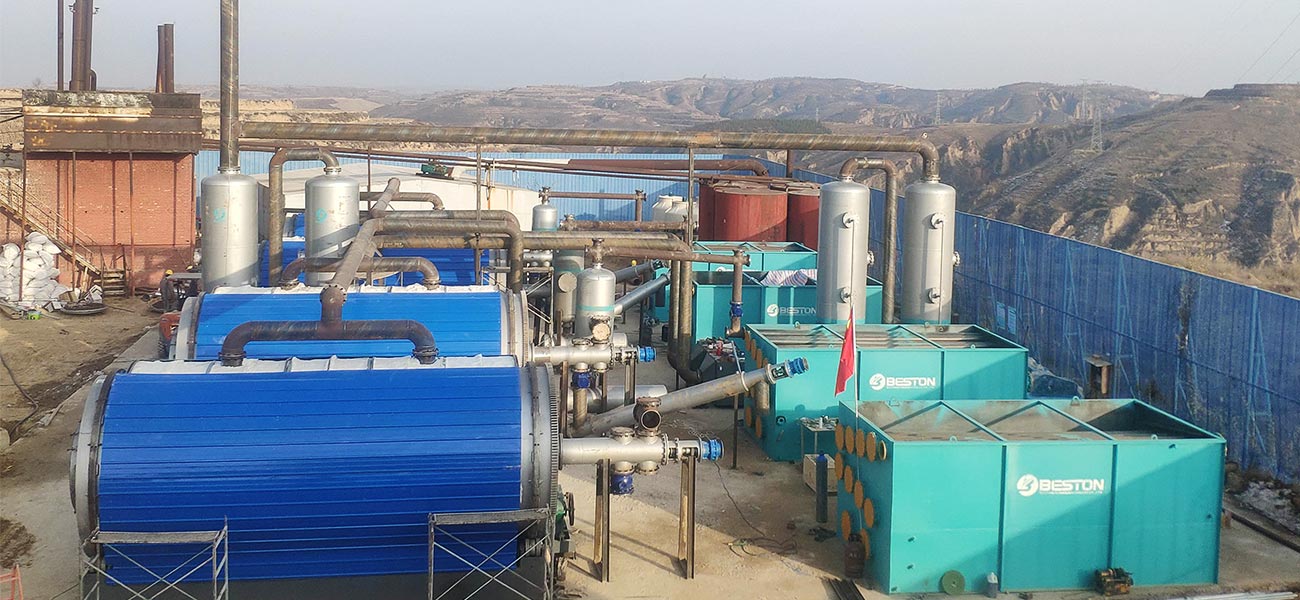
    4 Sets of Oil Sludge Pyrolysis Plants Successfully Installed in China

    Regulatory Allies: Navigating the Landscape

    The triumphant integration of oil sludge pyrolysis into mainstream waste management hinges on regulatory allies. Policymakers, as custodians of the environment, play a pivotal role. Clear guidelines and incentives create an ecosystem where industries find value not only in sustainable practices but also in the economic benefits derived from embracing change.

    While oil sludge is one of the feedstocks suitable for pyrolysis, the technology is indeed versatile and can be applied to other materials such as tires and plastics. You can also get tyre/plastic pyrolysis plant at BESTON GROUP.

  • Biochar Equipment for Climate-Smart Farming

    Climate change poses significant challenges to global agriculture, impacting soil fertility, water availability, and overall crop productivity. In the pursuit of sustainable and climate-smart farming practices, biochar has emerged as a promising solution. This revolutionary carbon-based material, produced through the pyrolysis of biomass, not only enhances soil health but also sequesters carbon, contributing to climate change mitigation. In this comprehensive exploration, we delve into the world of biochar equipment, uncovering the technology that is reshaping modern agriculture for a more sustainable future.

    Biomass Biochar
    Biomass Biochar

    The Basics of Biochar:

    Before delving into the equipment, it’s crucial to understand the basics of biochar. Biochar is a fine-grained, highly porous charcoal-like substance that results from the thermal decomposition of organic materials, such as agricultural residues, wood chips, or manure, in a low-oxygen environment-a process known as pyrolysis. The end product, biochar, is rich in carbon and acts as a stable form of organic matter when incorporated into the soil.

    The Role of Biochar in Climate-Smart Farming:

    Carbon Sequestration:

    Biochar plays a pivotal role in climate-smart farming by acting as a carbon sink. During pyrolysis, organic materials release volatile gases, leaving behind a stable carbon structure in the form of biochar. This process effectively sequesters carbon, preventing its release into the atmosphere as greenhouse gases.

    Improved Soil Health:

    Biochar’s porous structure provides an ideal habitat for beneficial microorganisms, promoting soil biodiversity. It enhances soil water retention, nutrient availability, and cation exchange capacity, thereby improving overall soil health. This is particularly crucial in regions facing water scarcity and nutrient-depleted soils. We also provide sewage sludge pyrolysis plant.

    Reduced Greenhouse Gas Emissions:

    Incorporating biochar into agricultural practices can mitigate greenhouse gas emissions. By enhancing nutrient use efficiency and reducing the need for synthetic fertilizers, biochar contributes to lower emissions associated with conventional farming methods.

    Reasonable-Price-of-Beston-Biochar-Pyrolysis-Equipment

    Biochar Equipment for Climate-Smart Farming:

    Now, let’s explore the cutting-edge biochar equipment that is at the forefront of climate-smart farming practices.

    Pyrolysis Reactors:

    The heart of biochar production lies in pyrolysis reactors. These reactors come in various designs, including batch, continuous, and gasifier systems. Batch reactors are suitable for smaller-scale operations, while continuous systems are ideal for larger farms. Gasifier systems, on the other hand, allow for the simultaneous production of biochar and syngas, offering a versatile solution.

    Feedstock Preparation Equipment:

    The type of biomass used significantly impacts biochar properties. Equipment such as grinders, chippers, and shredders is employed to prepare the feedstock before it enters the pyrolysis reactor. Proper feedstock preparation ensures a consistent and high-quality biochar output.

    Gas Cleaning Systems:

    In gasifier-based systems, gas cleaning is a crucial step. Gas cleaning equipment, including scrubbers and filters, removes impurities from the syngas produced during pyrolysis. This not only ensures a cleaner syngas for potential energy applications but also minimizes environmental impacts.

    Biochar Activation Equipment:

    While biochar, in its raw form, already provides numerous benefits to soil, activation processes can further enhance its properties. Activation equipment, such as steam activation chambers or chemical activation units, is utilized to increase biochar’s surface area and porosity, boosting its capacity to retain nutrients and water.

    Transport and Application Equipment:

    Efficient transportation and application of biochar to agricultural fields are essential for widespread adoption. Conveyors, spreaders, and injection systems are used to evenly distribute biochar across fields, ensuring optimal integration into the soil.

    Case Studies: Realizing the Potential of Biochar Equipment

    European Biochar Foundation’s Biochar Reactor:

    The European Biochar Foundation has developed a state-of-the-art biochar reactor capable of processing various feedstocks, from forestry residues to agricultural waste. The continuous-flow design maximizes efficiency while minimizing energy consumption, making it an exemplary choice for large-scale climate-smart farming. Contact Beston Group to get bamboo charcoal making machine price list.

    Small-Scale Solutions in Developing Countries:

    In regions with limited resources, small-scale and portable biochar equipment has shown promise. Innovations like mobile pyrolysis units bring biochar production directly to the farm, allowing local farmers to capitalize on the benefits of biochar without significant infrastructure investments.

    Challenges and Future Prospects:

    While biochar equipment has shown immense potential, challenges remain. Cost barriers, technological adoption, and scalability issues need to be addressed for widespread implementation. However, ongoing research and technological advancements are continuously overcoming these hurdles, making biochar equipment increasingly accessible to farmers around the globe.

    In conclusion, the integration of biochar equipment into agricultural practices represents a transformative step towards climate-smart farming. By harnessing the power of biochar, farmers can enhance soil fertility, mitigate climate change, and contribute to a more sustainable and resilient food production system. As technology continues to evolve, biochar equipment is poised to play a central role in shaping the future of agriculture, fostering a harmonious relationship between farming and the environment.