Category: Biomass Charcoal Machine

  • Key Determinants of Coconut Shell Charcoal Machine Pricing

    The price of a coconut shell charcoal machine is influenced by a multitude of factors that determine its overall cost. As demand for eco-friendly and sustainable charcoal production increases, understanding these variables becomes crucial for potential buyers. The right combination of equipment specifications, manufacturing quality, and operational efficiency can significantly affect the price of the charcoal machine. This article explores the key factors that influence the cost of a coconut shell charcoal machine, offering insights into how each element contributes to the final price.

    1. Machine Capacity and Size

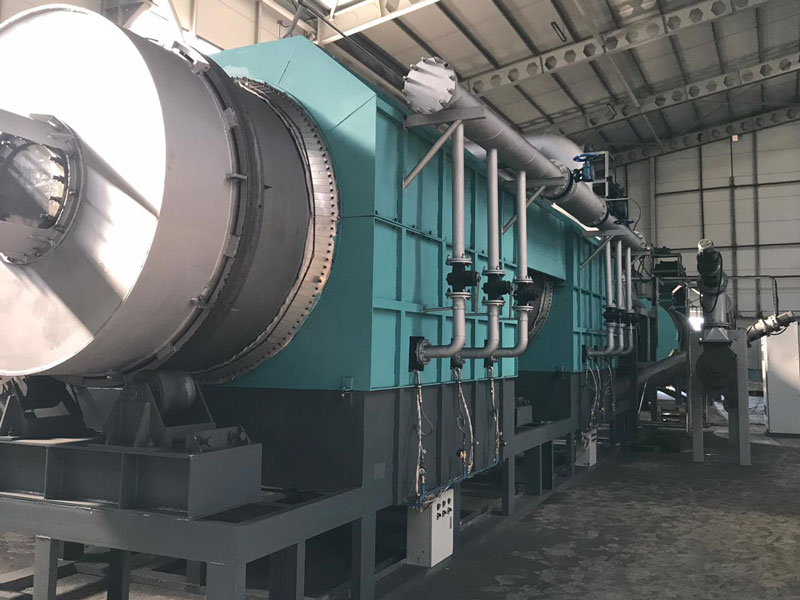
    The production capacity and size of a machine for making charcoal are two of the most significant factors influencing its price. Machines with a higher throughput typically cost more due to the increased complexity and scale of their design. For instance, a machine capable of processing large quantities of coconut shells per hour will require more robust components and advanced engineering, which adds to its price.

    Conversely, smaller machines with lower production capacities will generally be more affordable. The specific needs of the buyer will dictate the required capacity, whether it’s a smaller, more affordable model for local production or a larger, industrial-grade machine for large-scale operations.
    2. Technological Features

    Technological advancements incorporated into the charcoal machine significantly affect its price. Machines with advanced features such as automatic feeding systems, precise temperature controls, and continuous operation capabilities tend to be priced higher. Automation in the production process not only increases efficiency but also reduces the need for manual labor, which can be a long-term cost-saving feature.

    Additionally, more sophisticated machines may include safety mechanisms, energy recovery systems, and advanced environmental controls, such as air purification or emissions monitoring, which contribute to higher manufacturing costs. Buyers seeking high-tech solutions for more efficient or environmentally-friendly operations should expect a higher upfront price.

    3. Material and Build Quality

    The materials used to construct the coconut charcoal making machine are integral to its durability and performance, influencing the overall cost. Machines made with high-grade, corrosion-resistant steel, for example, are more expensive to produce but offer longer lifespans and better performance in harsh operating conditions.

    Cheaper machines, often constructed with lower-quality materials, may have a shorter lifespan and lower resistance to wear and tear. While the initial investment may be smaller, these machines may require frequent maintenance or replacement, leading to higher long-term costs.
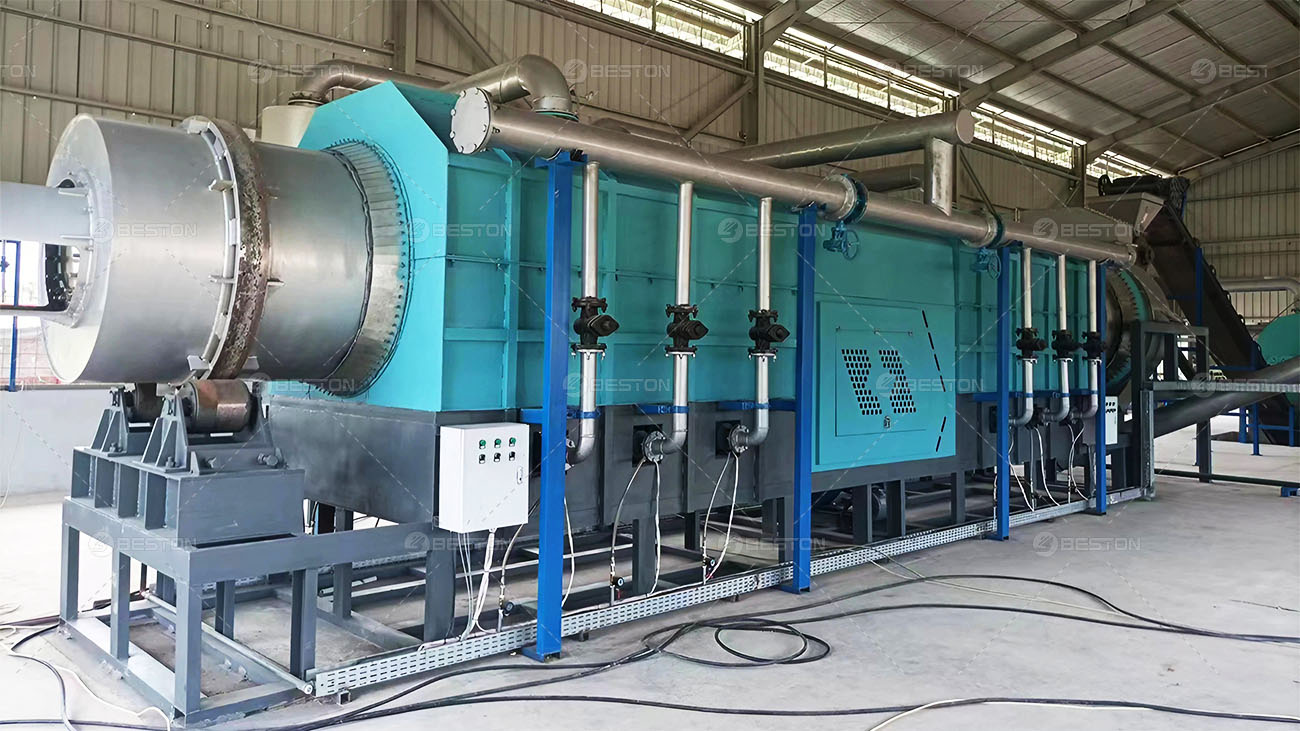
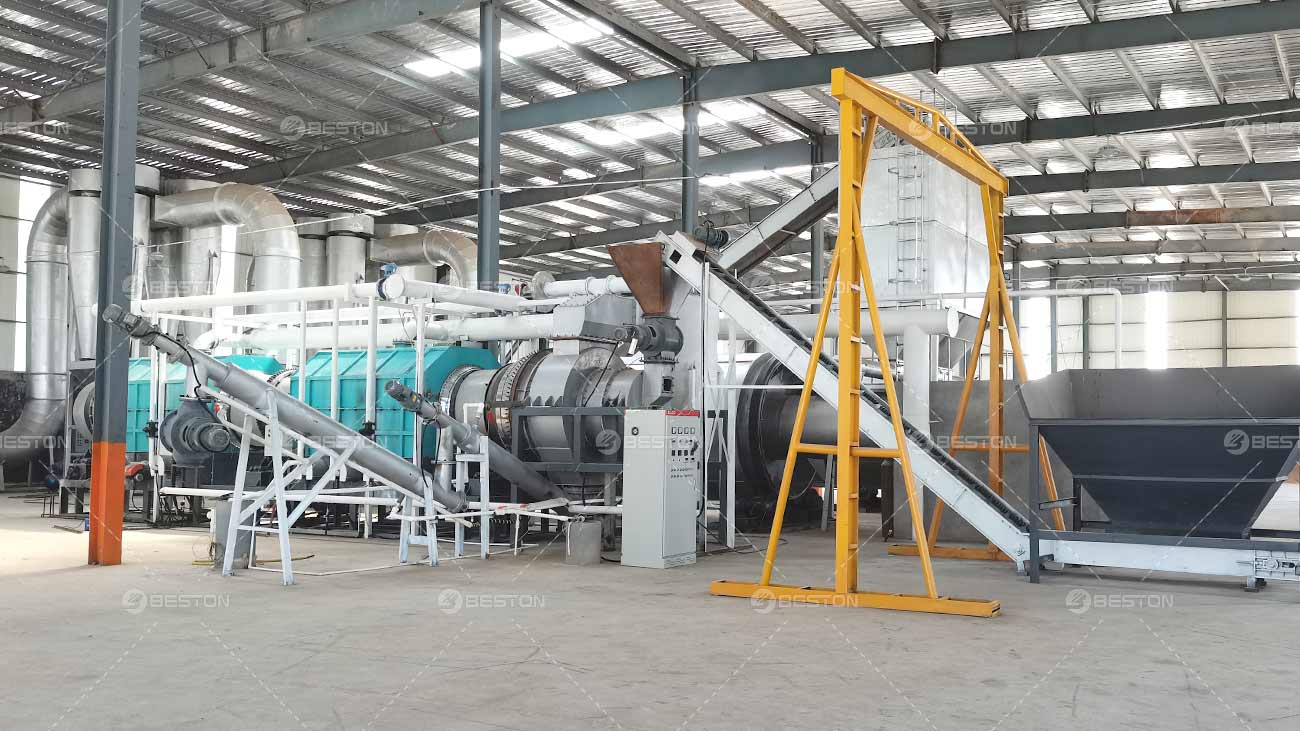
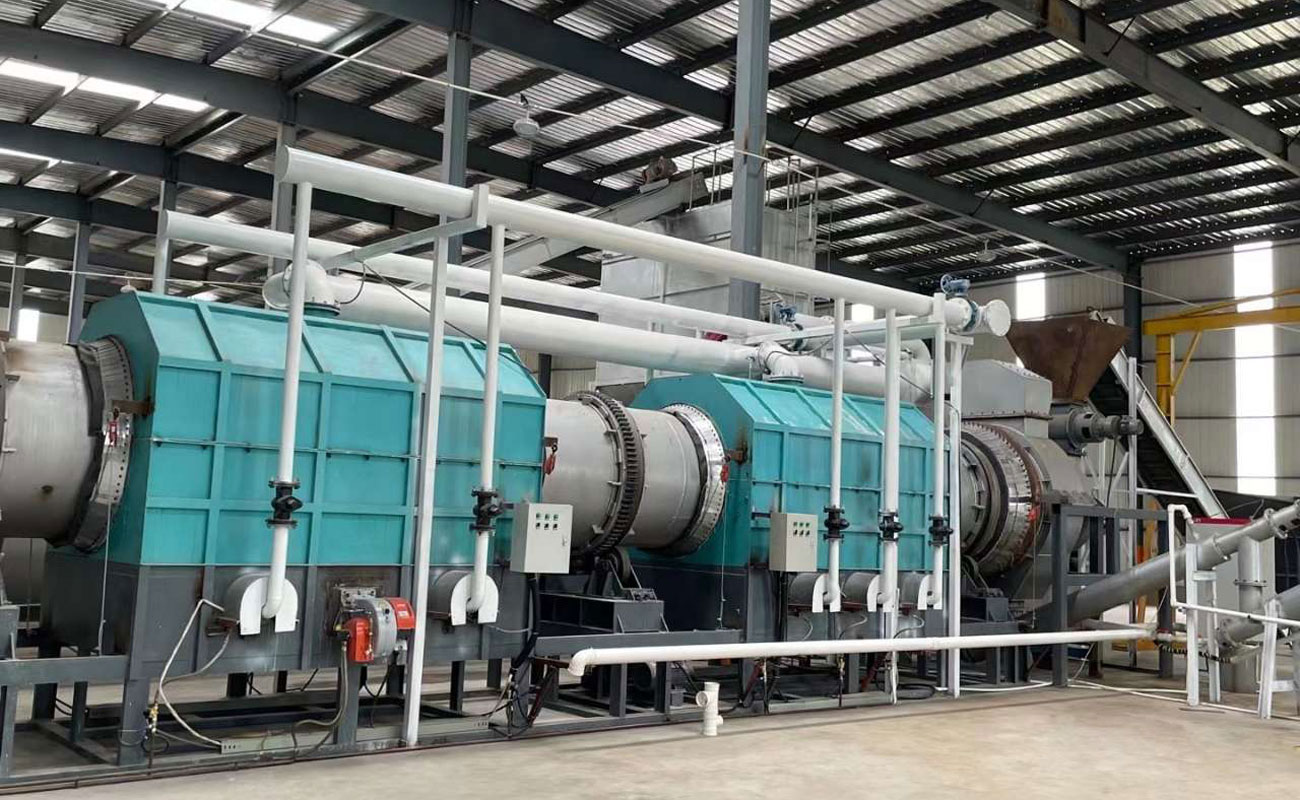
    Beston Charcoal Making Machine

    4. Energy Efficiency

    The energy consumption of a coconut shell charcoal machine is another key factor in its price. Machines designed to be energy-efficient typically come at a higher cost due to the technology involved. These systems are designed to minimize fuel consumption by utilizing waste heat for other processes, such as drying or pre-heating the feedstock.

    Energy-efficient machines can lower operational costs over time, making them an attractive option for businesses that plan on running the machine continuously. While the initial price may be higher, the potential savings in energy costs often make these machines a better investment in the long run.

    5. Production Method and Complexity

    The production process also plays a role in determining charcoal briquette machine price. Machines that use more sophisticated technologies, such as advanced carbonization or pyrolysis methods, are usually more expensive. These machines typically offer higher yields, better product quality, and faster processing times, which justify their higher price.

    Machines with simpler, more traditional carbonization methods tend to be less costly but may have lower efficiency or require more frequent monitoring and maintenance. Depending on the buyer’s needs, the complexity of the production method and its associated costs can vary.

    6. Brand and Manufacturer Reputation

    The reputation of the charcoal machine manufacturer is another significant factor influencing price. Well-established manufacturers with a history of producing high-quality, reliable equipment tend to charge a premium for their products. This premium is often justified by the manufacturer’s reputation for product reliability, after-sales support, and warranty services.

    On the other hand, lesser-known brands or manufacturers may offer machines at a lower price, but buyers should carefully assess their product quality and customer service capabilities. In some cases, opting for a more affordable machine from an unknown brand can lead to long-term risks if the equipment lacks durability or after-sales support. Want to get a one-stop product experience? You can choose Beston Group.

    7. Geographic Location and Shipping Costs

    The geographic location of both the buyer and manufacturer can affect the price of the charcoal machine, especially if the machine needs to be shipped internationally. Shipping costs, import taxes, and tariffs can add significant expenses to the base price of the equipment. For buyers located far from the manufacturer, these additional costs can be substantial and should be considered when calculating the total cost of acquisition.

    Manufacturers located closer to the buyer may offer reduced shipping rates, resulting in lower overall costs. Additionally, local manufacturers may have the advantage of offering faster delivery times and easier access to spare parts and maintenance services.

    8. After-Sales Service and Warranty

    After-sales support, including warranties, maintenance services, and spare parts availability, is an essential consideration when purchasing a coconut shell charcoal machine. Machines that come with a comprehensive warranty and readily available spare parts can save the buyer significant amounts in repair and maintenance costs over time.

    Machines without adequate after-sales service may result in hidden costs due to breakdowns, delays, or the difficulty of sourcing replacement parts. As such, the level of service offered by the manufacturer is a key consideration when evaluating machine prices.

    9. Market Demand and Supply

    Lastly, the general market demand and supply for coconut shell charcoal machines can have an impact on pricing. During periods of high demand or when the market for charcoal production is particularly profitable, prices may increase due to the higher demand for machines. Conversely, during times of economic downturn or oversupply, prices may decrease as manufacturers compete to attract customers.

    Buyers should be mindful of market trends and timing when making their purchase to avoid paying inflated prices during periods of high demand.

  • Optimizing Biomass Pyrolysis: Feedstock Selection and Process Parameters

    Biomass pyrolysis is an innovative technique transforming organic materials into valuable products like biochar, bio-oil, and syngas. This process holds immense potential for sustainable energy production and carbon sequestration. However, the efficiency and yield of a biomass pyrolysis plant are highly contingent on the careful selection of feedstock and meticulous control of process parameters.

    Feedstock Selection

    The choice of feedstock is the cornerstone of an efficient biomass pyrolysis plant. Diverse biomass sources, such as agricultural residues, forestry waste, and dedicated energy crops, present varying characteristics that significantly impact the pyrolysis outcomes.

    Agricultural Residues

    Agricultural residues, including rice husks, corn stover, and wheat straw, are abundant and often underutilized. These materials generally have high cellulose and hemicellulose content, which are conducive to producing bio-oil. However, their high ash content can pose challenges, such as catalyst deactivation and fouling of equipment in a biomass pyrolysis plant. Pretreatment methods like washing or torrefaction can mitigate these issues, enhancing the efficiency and longevity of the plant.  Welcome visit: https://ru.bestonpyrolysisplant.com/biomass-pyrolysis-plant/

    Forestry Waste

    Forestry residues, such as wood chips, sawdust, and bark, are another viable feedstock option. These materials typically contain lower ash content and higher lignin levels, which favor the production of biochar. The homogeneity of forestry waste ensures a more consistent feedstock supply, crucial for stable operation and output quality in a biomass pyrolysis plant.

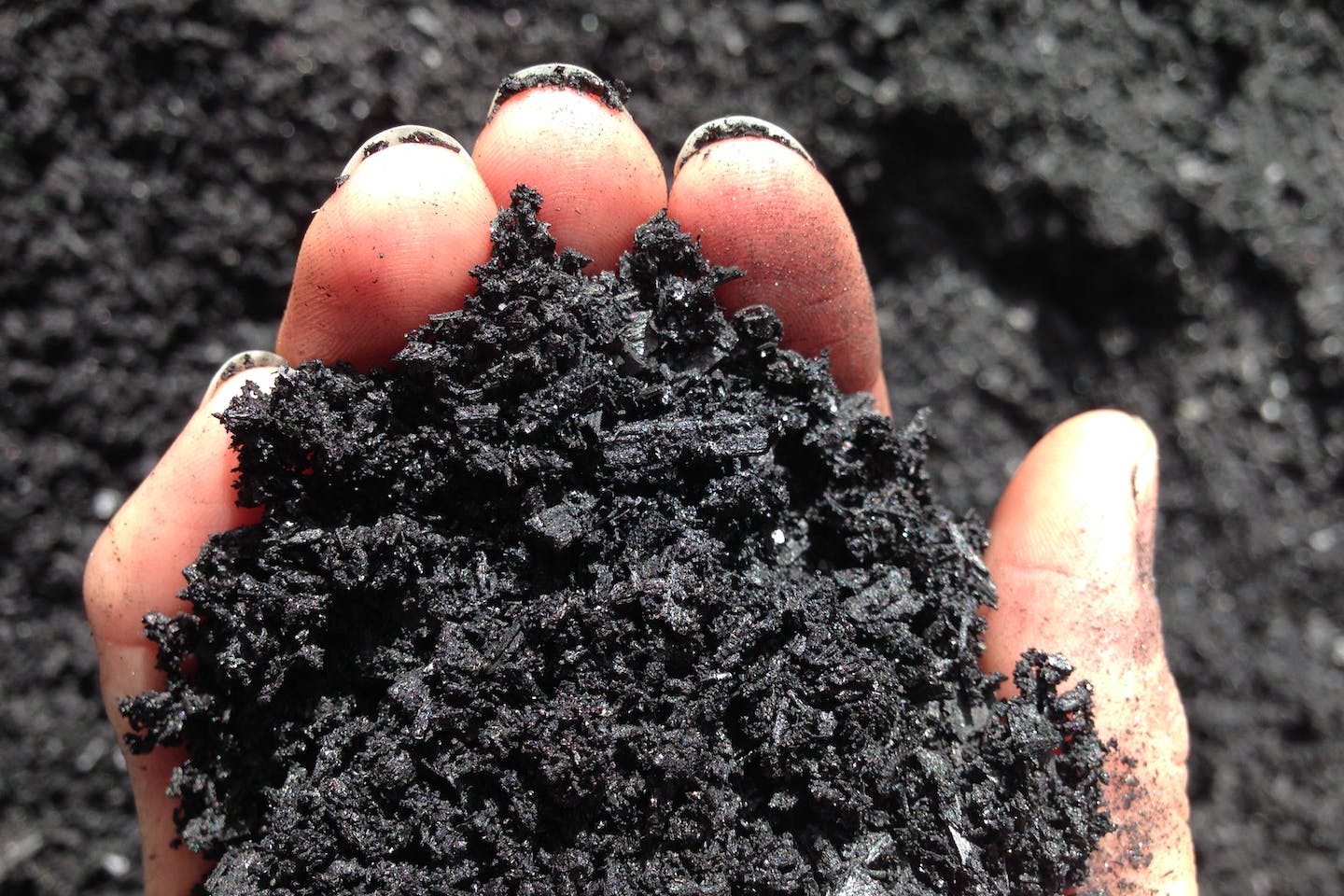
    biomass biochar

    Dedicated Energy Crops

    Dedicated energy crops, like switchgrass and miscanthus, are cultivated specifically for bioenergy production. These crops are bred for high yield and low input requirements, making them an attractive feedstock. Their consistent composition and low moisture content reduce preprocessing needs, streamlining the pyrolysis process. However, the economic and environmental costs of growing these crops, including land use and water consumption, must be carefully balanced.

    Process Parameters

    Optimizing the process parameters in a biomass pyrolysis plant, such as wood pyrolysis plant, is essential to maximize the yield and quality of the desired products. Key parameters include temperature, heating rate, residence time, and the presence of catalysts.

    Temperature

    The pyrolysis temperature profoundly influences the distribution of pyrolysis products. Low-temperature pyrolysis (300-500°C) tends to produce more biochar, while high-temperature pyrolysis (500-700°C) favors the formation of bio-oil and syngas. Each temperature range yields distinct products with specific applications, necessitating precise temperature control based on the desired output of the biomass pyrolysis plant.

    Heating Rate

    The heating rate determines the thermal decomposition of biomass and the resultant product spectrum. Slow pyrolysis, characterized by low heating rates (0.1-1°C/s), enhances biochar production due to prolonged thermal exposure. Conversely, fast pyrolysis, with high heating rates (10-200°C/s), maximizes bio-oil yield by rapidly decomposing biomass. Balancing the heating rate is crucial for optimizing the efficiency and output of a biomass pyrolysis plant.

    Residence Time

    Residence time, or the duration biomass remains in the pyrolysis reactor, also affects product distribution. Longer residence times generally increase biochar yields, as the biomass undergoes more extensive carbonization. Shorter residence times favor bio-oil production by minimizing secondary reactions that can degrade volatile compounds. Fine-tuning residence time is essential for achieving the desired product balance in a biomass pyrolysis plant.

    Catalysts

    The use of catalysts in a biomass pyrolysis plant can significantly enhance the process efficiency and product quality. Catalysts such as zeolites, metal oxides, and activated carbon can promote specific reactions, increasing bio-oil yield and improving its composition. Catalytic pyrolysis also aids in reducing the formation of unwanted by-products like tar. However, catalyst selection and regeneration are critical to maintaining cost-effectiveness and operational stability.

    Integrating Feedstock and Process Optimization

    The synergistic integration of feedstock selection and process parameter optimization is pivotal for maximizing the performance of a biochar making machine. Each feedstock type interacts uniquely with process parameters, necessitating tailored approaches for different biomass sources.

    For instance, agricultural residues with high ash content benefit from pretreatment and lower pyrolysis temperatures to reduce fouling and enhance biochar quality. In contrast, forestry waste with lower ash content can be efficiently processed at higher temperatures to maximize bio-oil yield.

    Dedicated energy crops, with their consistent composition, allow for more predictable optimization of process parameters. Fast pyrolysis with high heating rates and moderate temperatures can effectively convert these crops into high-quality bio-oil, making the most of their inherent properties.

    Future Perspectives

    The future of biomass pyrolysis plants lies in continuous innovation and refinement. Advanced reactor designs, such as fluidized bed reactors and microwave-assisted pyrolysis, offer improved heat transfer and process control, enhancing product yields and process efficiency. Integrating machine learning and artificial intelligence can further optimize process parameters in real-time, adapting to feedstock variations and operational conditions.

    Additionally, the development of multi-feedstock pyrolysis systems can enable the co-processing of diverse biomass sources, enhancing feedstock flexibility and resilience. By leveraging the unique properties of different biomasses, these systems can optimize product yields and quality, ensuring the sustainable operation of biomass pyrolysis plants.

    Biomass Pyrolysis Plant

    Conclusion

    Optimizing a biomass pyrolysis plant requires a nuanced understanding of feedstock characteristics and process parameters. The selection of appropriate biomass sources, coupled with precise control of temperature, heating rate, residence time, and catalysts, is crucial for maximizing the efficiency and output of the plant. As technology advances and our understanding of pyrolysis deepens, the potential for sustainable and efficient bioenergy production through optimized biomass pyrolysis continues to grow, promising a greener and more sustainable future. Explore deeper with Beston Group. https://ru.bestonpyrolysisplant.com/about-us/


    4o
  • Biochar Equipment for Climate-Smart Farming

    Climate change poses significant challenges to global agriculture, impacting soil fertility, water availability, and overall crop productivity. In the pursuit of sustainable and climate-smart farming practices, biochar has emerged as a promising solution. This revolutionary carbon-based material, produced through the pyrolysis of biomass, not only enhances soil health but also sequesters carbon, contributing to climate change mitigation. In this comprehensive exploration, we delve into the world of biochar equipment, uncovering the technology that is reshaping modern agriculture for a more sustainable future.

    Biomass Biochar
    Biomass Biochar

    The Basics of Biochar:

    Before delving into the equipment, it’s crucial to understand the basics of biochar. Biochar is a fine-grained, highly porous charcoal-like substance that results from the thermal decomposition of organic materials, such as agricultural residues, wood chips, or manure, in a low-oxygen environment-a process known as pyrolysis. The end product, biochar, is rich in carbon and acts as a stable form of organic matter when incorporated into the soil.

    The Role of Biochar in Climate-Smart Farming:

    Carbon Sequestration:

    Biochar plays a pivotal role in climate-smart farming by acting as a carbon sink. During pyrolysis, organic materials release volatile gases, leaving behind a stable carbon structure in the form of biochar. This process effectively sequesters carbon, preventing its release into the atmosphere as greenhouse gases.

    Improved Soil Health:

    Biochar’s porous structure provides an ideal habitat for beneficial microorganisms, promoting soil biodiversity. It enhances soil water retention, nutrient availability, and cation exchange capacity, thereby improving overall soil health. This is particularly crucial in regions facing water scarcity and nutrient-depleted soils. We also provide sewage sludge pyrolysis plant.

    Reduced Greenhouse Gas Emissions:

    Incorporating biochar into agricultural practices can mitigate greenhouse gas emissions. By enhancing nutrient use efficiency and reducing the need for synthetic fertilizers, biochar contributes to lower emissions associated with conventional farming methods.

    Reasonable-Price-of-Beston-Biochar-Pyrolysis-Equipment

    Biochar Equipment for Climate-Smart Farming:

    Now, let’s explore the cutting-edge biochar equipment that is at the forefront of climate-smart farming practices.

    Pyrolysis Reactors:

    The heart of biochar production lies in pyrolysis reactors. These reactors come in various designs, including batch, continuous, and gasifier systems. Batch reactors are suitable for smaller-scale operations, while continuous systems are ideal for larger farms. Gasifier systems, on the other hand, allow for the simultaneous production of biochar and syngas, offering a versatile solution.

    Feedstock Preparation Equipment:

    The type of biomass used significantly impacts biochar properties. Equipment such as grinders, chippers, and shredders is employed to prepare the feedstock before it enters the pyrolysis reactor. Proper feedstock preparation ensures a consistent and high-quality biochar output.

    Gas Cleaning Systems:

    In gasifier-based systems, gas cleaning is a crucial step. Gas cleaning equipment, including scrubbers and filters, removes impurities from the syngas produced during pyrolysis. This not only ensures a cleaner syngas for potential energy applications but also minimizes environmental impacts.

    Biochar Activation Equipment:

    While biochar, in its raw form, already provides numerous benefits to soil, activation processes can further enhance its properties. Activation equipment, such as steam activation chambers or chemical activation units, is utilized to increase biochar’s surface area and porosity, boosting its capacity to retain nutrients and water.

    Transport and Application Equipment:

    Efficient transportation and application of biochar to agricultural fields are essential for widespread adoption. Conveyors, spreaders, and injection systems are used to evenly distribute biochar across fields, ensuring optimal integration into the soil.

    Case Studies: Realizing the Potential of Biochar Equipment

    European Biochar Foundation’s Biochar Reactor:

    The European Biochar Foundation has developed a state-of-the-art biochar reactor capable of processing various feedstocks, from forestry residues to agricultural waste. The continuous-flow design maximizes efficiency while minimizing energy consumption, making it an exemplary choice for large-scale climate-smart farming. Contact Beston Group to get bamboo charcoal making machine price list.

    Small-Scale Solutions in Developing Countries:

    In regions with limited resources, small-scale and portable biochar equipment has shown promise. Innovations like mobile pyrolysis units bring biochar production directly to the farm, allowing local farmers to capitalize on the benefits of biochar without significant infrastructure investments.

    Challenges and Future Prospects:

    While biochar equipment has shown immense potential, challenges remain. Cost barriers, technological adoption, and scalability issues need to be addressed for widespread implementation. However, ongoing research and technological advancements are continuously overcoming these hurdles, making biochar equipment increasingly accessible to farmers around the globe.

    In conclusion, the integration of biochar equipment into agricultural practices represents a transformative step towards climate-smart farming. By harnessing the power of biochar, farmers can enhance soil fertility, mitigate climate change, and contribute to a more sustainable and resilient food production system. As technology continues to evolve, biochar equipment is poised to play a central role in shaping the future of agriculture, fostering a harmonious relationship between farming and the environment.

  • Advantages of Pyrolysis over Incineration and Landfill

    Waste management is a critical environmental challenge faced by societies worldwide. Traditionally, waste has been handled through incineration and landfill methods. However, these practices have significant drawbacks, leading to environmental pollution and resource wastage. In recent years, pyrolysis has emerged as a promising alternative with several advantages over incineration and landfill.

    Environmental Impact

    1.Reduced Air Pollution

    Unlike incineration, which releases harmful pollutants and greenhouse gases into the atmosphere, pyrolysis occurs in an oxygen-free environment, minimizing the emission of noxious gases. This aspect significantly contributes to air quality improvement and helps combat climate change.

    2.Minimal Ash Generation

    Incineration produces substantial amounts of ash, which often contains toxic substances that require specialized disposal. In contrast, carbonizing machine generates minimal ash, and the resulting biochar can be safely utilized as a valuable soil amendment, reducing waste streams.

    Resource Recovery

    1.Biochar Production

    Pyrolysis produces biochar, a stable carbon-rich material with high porosity and water-holding capacity. Biochar enhances soil fertility, sequesters carbon, and mitigates greenhouse gas emissions. Its application in agriculture can lead to increased crop yields and reduced dependence on chemical fertilizers.

    2.Bio-oil and Syngas Utilization

    Biomass pyrolysis plant also yields bio-oil and syngas, which can be further processed to produce renewable fuels and chemicals. Bio-oil can serve as a substitute for fossil fuels, while syngas is valuable for heat and electricity generation.

    Waste Volume Reduction

    1.Efficient Waste Processing

    Pyrolysis significantly reduces the volume of waste, typically by 70-90%, depending on the feedstock. This aspect leads to decreased demand for landfill space and prolongs the lifespan of existing landfills.

    2.Versatile Feedstock

    Unlike incineration, which has limitations on certain waste types, pyrolysis can process various organic materials, including biomass, plastics, rubber, and agricultural residues. This versatility allows for a more comprehensive approach to waste management.

    Energy Efficiency

    1.Self-Sustaining Process

    Pyrolysis can be a self-sustaining process once it reaches a certain temperature. The heat generated by biochar plant can be harnessed to sustain the process, reducing the external energy input required for waste treatment.

    2.Syngas Utilization

    The syngas produced during pyrolysis can be utilized to generate heat or electricity. This provides an opportunity to create a closed-loop system, wherein the byproducts of pyrolysis contribute to the energy needs of the plant.

    More in Beston Group.

    In conclusion, pyrolysis offers several advantages over incineration and landfill as a sustainable waste management solution. Its environmental benefits include reduced air pollution and minimal ash generation. Additionally, pyrolysis allows for resource recovery through biochar production, bio-oil, and syngas utilization, leading to more sustainable energy production. The efficient waste volume reduction and versatile feedstock processing make pyrolysis a promising technology for the future of waste management, promoting a cleaner and greener environment. As governments and industries continue to seek innovative solutions to waste challenges, pyrolysis stands as a beacon of hope in addressing the global waste crisis.

  • The Importance of Owning a Biochar Production Equipment

    In the realm of sustainable agriculture, biochar production equipment stands as a catalyst for transformative change. Biochar, a porous charcoal-like substance, has emerged as a game-changer in the quest for improved soil fertility and environmental sustainability. By owning biochar production equipment, individuals and organizations can unlock a multitude of benefits that extend far beyond conventional farming practices.

    Reasonable-Price-of-Beston-Biochar-Pyrolysis-Equipment

    Enhancing Soil Fertility and Nutrient Retention

    Biochar production equipment plays a pivotal role in bolstering soil fertility and optimizing nutrient retention. With its unique structure and properties, biochar acts as a soil amendment that positively influences soil health. As biochar is introduced into the soil, it creates a network of channels and spaces, enhancing soil structure. This facilitates improved aeration, root penetration, and the activity of essential microorganisms.

    Moreover, biochar’s porous nature allows it to act as a reservoir for essential nutrients. Nutrient-rich organic matter, such as nitrogen, phosphorus, and potassium, readily adheres to the biochar surface, preventing leaching and ensuring their availability to plants over an extended period. By owning biochar production equipment, farmers and gardeners can harness the power of nutrient retention and cultivate thriving ecosystems.

    Carbon Sequestration and Climate Change Mitigation

    In the battle against climate change, biochar production equipment assumes a significant role. Biochar, produced through the pyrolysis of biomass, serves as a formidable ally in carbon sequestration. As plants grow, they absorb carbon dioxide from the atmosphere through photosynthesis. By converting biomass into biochar and incorporating it into the soil, the stored carbon becomes sequestered for extended periods, ranging from hundreds to thousands of years.

    This process effectively mitigates the release of carbon dioxide, a major greenhouse gas, into the atmosphere. By owning biochar production equipment, individuals contribute to climate change mitigation, playing their part in building a more sustainable and resilient future.biochar-making-machine

    Soil Moisture Regulation and Drought Resistance

    Water scarcity and drought pose significant challenges in agriculture. However, biochar pyrolysis equipment provides a practical solution for addressing these issues. Biochar’s innate ability to regulate soil moisture levels is a boon for farmers facing unpredictable weather patterns and extended dry spells.

    The porous structure of biochar serves as a sponge, capable of absorbing and retaining water. As plants require moisture, the biochar releases water gradually, ensuring a steady supply to their roots. This mechanism enhances water holding capacity in the soil, reducing water loss through evaporation and runoff.

    By incorporating biochar into their farming practices, farmers can cultivate more resilient crops that exhibit enhanced drought resistance. The ownership of biochar production equipment empowers individuals to overcome the challenges posed by water scarcity and safeguard their agricultural endeavors.

    Minimizing Environmental Pollution

    Environmental pollution, particularly soil and water contamination, poses significant threats to ecosystems and human health. However, biomass pyrolysis plant acts as a guardian against such pollution, offering a sustainable solution.

    Biochar possesses remarkable properties that allow it to immobilize and reduce the leaching of contaminants. When biochar is applied to soil, it acts as a filter, trapping harmful substances such as heavy metals and organic pollutants. This prevents them from entering groundwater sources or being taken up by plants, effectively mitigating the risk of environmental pollution.

    By owning biochar production equipment, individuals become stewards of environmental protection, actively contributing to the remediation of contaminated soils and the preservation of vital water resources.

    Economic and Practical Benefits

    Beyond the environmental advantages, owning biochar production equipment presents numerous economic and practical benefits. Biochar production can be tailored to various biomass feedstocks, including agricultural residues, forestry waste, and organic materials. This versatility opens up new revenue streams for farmers and waste management facilities.

    By producing biochar from these abundant and often underutilized resources, individuals can generate additional income through the sale of biochar products. Furthermore, biochar proves to be a cost-effective soil amendment. Its long-lasting effects reduce the reliance on synthetic fertilizers, leading to substantial cost savings for agricultural operations.

    With charcoal making machine in their possession, individuals can not only contribute to sustainable agriculture but also create economic opportunities that foster a greener and more prosperous future.


    In conclusion, the importance of owning biochar production equipment cannot be overstated. From enhancing soil fertility and nutrient retention to facilitating carbon sequestration, regulating soil moisture, minimizing pollution, and reaping economic benefits, biochar serves as a catalyst for sustainable agriculture and environmental stewardship. By embracing biochar production equipment, individuals take significant strides toward a future where soil health and ecological balance are prioritized, ensuring the well-being of both current and future generations.

  • The Growing Need for Biomass Pyrolysis Plants

    Right now, there are very few biomass pyrolysis plants in operation around the world. This is a huge shame, given that biomass pyrolysis is one of the best ways to efficiently convert waste into energy. Not only does this process help reduce greenhouse gas emissions, but it also helps create new jobs and boost the local economy. Here’s why we need more biomass pyrolysis plants in operation today.

    In case you’re not familiar with the term, biomass pyrolysis plant is the process of converting organic material into fuel by heating it without oxygen. This can be done using a variety of different methods, including thermal cracking and catalytic cracking. Both of these processes have been used for many years to produce gasoline and diesel fuel from crude oil.

    Biomass Pyrolysis Plant
    Biomass Pyrolysis Plant

    The beauty of biomass pyrolysis is that it can use pretty much any type of organic material as feedstock. This includes agricultural waste, wood waste, municipal solid waste (MSW), and even landfill gas. The main advantage of using biomass pyrolysis to generate energy is that it helps reduce greenhouse gas emissions. In fact, when compared to other forms of renewable energy such as solar or wind power, biomass pyrolysis has one of the lowest carbon footprints.

    Not only does biomass pyrolysis help reduce greenhouse gas emissions, but it also helps create new jobs and boosts the local economy. For example, a recent study found that a proposed charcoal making machine in Chautauqua County, New York would create nearly 200 jobs during its construction phase alone. And once operational, the plant would generate an estimated $23 million in economic activity each year.

    This is just one example; there are many other cases where installing a new biomass pyrolysis plant has led to job creation and economic growth within a community. So why aren’t more plants being built? That’s something we need to ask ourselves if we’re serious about reducing our dependence on fossil fuels and moving towards greener sources of energy.

    The main reason why there are not more biomass pyrolysis plants in operation is due to the high upfront investment costs. This type of carbonization machine requires a significant amount of money to build, and there are often also associated costs such as land acquisition and site preparation. Additionally, due to the relatively new nature of this technology, there are often regulatory uncertainties and other risks that need to be considered.

    BST-30 Pig Hair Biomass Pyrolysis Machine In Spain
    BST-30 Pig Hair Biomass Pyrolysis Machine In Spain

    Governments around the world need to do more to support the development of biomass pyrolysis plants. This includes providing financial incentives, streamlining the permitting process, and investing in research and development. With the right policies in place, we could see a dramatic increase in the number of plants built over the next few years. This would be a huge win for the environment and the economy.

    Despite the high upfront investment costs, biomass pyrolysis is a very promising technology with many benefits. Hopefully, as we continue to learn more about this process and how to improve it, we will see more biochar machine being built in the future. This is something that we need to do if we want to reduce our reliance on fossil fuels and create a more sustainable future.

  • Shopping For A Sawdust Charcoal Making Machine

    You’re going to need to be careful when shopping for a sawdust charcoal making machine because they are not all a great deal. You need to track down the options that are going to do their jobs for you well. Before you spend anything on a machine, read through the advice here.

    It’s possible to find a machine that is on sale so you can get it for a lot less. Before you buy something like this, it’s good to see if you can find something like a coupon code on the internet that helps you to save when you buy a sawdust briquette charcoal making machine. If there are no coupons you can find on the internet, then check the social media page of the seller to see if they have posted anything about deals. If all else fails, try contacting the seller through email and they may be able to help you save that way.

    Sawdust Charcoal Making Machine
    Sawdust Charcoal Making Machine

    You need to figure out what you’re going to have to pay that’s a fair price for everything. If you’re not careful about this, you can end up spending quite a bit more on everything than what it should cost on average. Take a look at what a handful of sellers are charging for what they are offering and that way you’re aware of what the charcoal machine price are on the market at this point in time. Buying at random is a bad idea because if you do that, you can end up spending more than what it all should be worth.

    There are going to be different ways to use different machines that you need to be aware of. It’s important that you don’t work with a machine the wrong way because if you do, you could end up breaking something on accident. It’s pretty easy to learn what to do with a machine, you just have to find its instruction manual so you can get a good look at what you can do with it. Once you’re able to work it properly, you can then know that when you run it, you’ll get the best possible results.

    If you want to save a lot more money, you need to find a charcoal making machine that is in used condition. Before you buy something used, however, you need to get an idea of what could be wrong with the machine. When you know what the problem is with it, you’re going to be able to then figure out what it will cost to get it up and running so you can benefit from it. Only buy used if you’re going to pay less to get everything going than what you would spend going for a new machine.

    BST-30 to Malaysia
    BST-30 to Malaysia

    Once you can find a biochar production equipment that works well, you’ll be very happy with your purchase. This is something to do right so you’re going to get a lot out of it. Luckily, you know what to do now so you can come out of this ahead.

  • The Best Way To Find The Lowest Bamboo Charcoal Making Machine Price

    It is easy to convert different types of organic materials into fuel that can be burned for multiple purposes. The conversion process occurs because of the pyrolysis machine, one that can take that material and transition it into something else. If you have never done this before, you may wonder how it is possible, and why that fuel is still capable of burning. Here is an overview of how they work and why you may want to consider getting wood chips charcoal making machines at a price that is affordable for you.

    Beston Charcoal Manufacturing Machine
    Beston Charcoal Manufacturing Machine

    Bamboo Charcoal Making Machine Prices

    Although your initial study might be on the capabilities of these machines, you may want to consider doing something else. First of all, get a list of all of the affordable ones that are available. Second, you will want to spend some time evaluating their capabilities. Third, look at the manufacturers that make them and find out how the machines for making charcoal are constructed. Another possibility is to ask about shipping. If they are far away, find out when they can be prepared and shipped out.

    BST-10 Charcoal Making Machine
    BST-10 Charcoal Making Machine

    How Do They Make Charcoal?

    These are capable of making charcoal in a couple of different ways. First of all, you need a machine that has one of the best pyrolysis machines in the industry. It must be capable of holding a substantial quantity of this material and, in very little time, convert that into charcoal. Keep in mind that the byproducts are not only solid materials but liquid-based ones as well. These byproducts can be sold, just like the charcoal, to people that want to use them for lubricants or for fuel. Please get more information here: https://bestonasia.com/charcoal-making-machine-price/.

    How Many Components Do They Have?

    Unlike the larger pyrolysis plants, these bamboo charcoal making machines are self-contained units. There are only a couple of additional units that you will need to consider. For example, you need to think about the prices that you will have to pay for the shipping, the cost of the machine, and the cost of maintenance if they tend to have one that is substantial. This is only practical information if you are buying one that is used. All of the newer ones will come with guarantees. In general, the components that will come with your bamboo charcoal making machine will include the machine itself, a device for chipping up the bamboo, and a place to store all of the finished products.

    If you are ready to invest your money into a machine made by Beston Henan Machinery that can produce charcoal, you may want to consider one that utilizes bamboo. If you are responsible for harvesting bamboo on an annual basis, this could be a very important decision to make. Instead of wasting that material, you can begin to produce burnable fuels whenever you want to. If possible, try to locate one that is close to your area. This will ensure that you will get it soon. Just make sure that you are researching how to find bamboo charcoal making machine prices that are affordable for your budget.

  • Everything You Need To Know About Coconut Shell Charcoal Machines

    Charcoal is a carbon residue formed by removing water and other substances from animals or plant-based materials. It is widely used to fuel fire despite limited access to air. It can be used for furnaces and grills, and it also has uses in the production of gunpowder and hardening of metals.

    Nowadays, coconut shells are commonly used for the production of charcoal, usually with the help of a coconut shell charcoal machine. It is environmentally friendly, which allows people to minimize their carbon footprint through the production or use of coconut charcoal rather than other more harmful alternatives.

    Coconut Shell Charcoal Machinery
    Coconut Shell Charcoal Machinery

    For those who live in areas abundant with coconuts that can be transformed into charcoal, it would be a great idea to invest in coconut shell charcoal machines due to the high market value of coconut charcoal and the ease of obtaining raw materials for production. Instead of having shells wasted, they could be processed and turned into a renewable fuel source allowing you to contribute to the environment while making income. Click here to know more: https://bestonpyrolysisplant.com/.

    Coconut charcoal machines operate through the technology of “carbonization”. It is the primary concept involved in turning shells into charcoal. This process can be used for other materials containing carbon such as wood, sawdust, rice hulls, and coconut shells. The process that allows for carbonization is pyrolysis which others may refer to as destructive distillation. The process of pyrolysis is a quick form of decomposition with the use of very high temperatures. Carbonization is necessary for coconut charcoal machines and is the proper way to produce charcoal from coconut shells.

    The shells are shredded into bits as the first step in making coconut charcoal. They are then sent through a feeder which leads them to a chamber or portion of the charcoal machinery that dries them out. As they get to the machine’s drying area or host, the coconut shells are dried up and flash steamed. They will then fall into a carbonization chamber or host usually found right below the drying host. The carbonization host is heated up to a certain temperature and is monitored to maintain the heat. This allows for the process of pyrolysis to occur, decomposing the coconut shells and carbonizing them into charcoal. After this process, the charcoal is cleaned and sulfur is extracted to produce clean charcoal as the final product.

    Coconut shell charcoal is used widely in the food industry for barbecued and grilled dishes. Coconut charcoal is also highly absorbent, allowing it to be turned into activated charcoal for purifying, dechlorinating, and deodorizing. They can also be used to improve soil quality for agriculture, and for producing teeth whitener and soap or facial cleanser products.

    Coconut Shell Charcoal Manufacturing Machine
    Coconut Shell Charcoal Manufacturing Machine

    The efficiency of a coconut shell charcoal machine is based on the amount of charcoal it can produce at a time. It allows for the production of charcoal with a wide variety of uses from a renewable source – coconuts. Investing in a coconut charcoal machine is great for those looking for a new business endeavor and have a reliable local source of coconut shells. They help you do your part for the environment while making money out of repurposed coconut shells. Find out more information here: http://teenfuqtor.pixnet.net.

  • How Much Does A Charcoal Machine Cost?

    Those who are interested in running a plant or simply wish to make charcoal for personal usage need to understand the cost involved in gathering the material. There are many different types of charcoal machines for sale that were not available in the past. Those who choose to go with a traditional one may find it easier to gather material. The three main types that are present today are wood, coconut and bamboo charcoal making machines. With all the different materials present that can make charcoal, it is easy to come up with material that can produce a unique flavor.

    Charcoal Production Plant
    Charcoal Production Plant

    The different taste that charcoal produces doesn’t just depend on whether coconut, bamboo or wood is used. There are many different types of wood that can produce charcoal. In fact, every type of tree can be made into charcoal. Hickory, pine, and oak trees all have different tastes and smells to them when they are made into charcoal. Many choose to go with coconut for production because it is environmentally friendly and produces a pleasant smell with a mild taste. Others prefer wood for the chard, yet pleasant taste it produces.

    The cost of the machine depends on several factors. The material it’s made out of, the cost of production, its function and how much it can make at one time. Charcoal machines that are designed for a plant cost a lot more than the ones that are meant for personal use. Here are several different varieties and their unique prices:

    Coconut Shell Making Machine – Hot Selling Product

    Coconut shell charcoal making machine is a large machine designed for a plant. It has the capability to produce a large amount of charcoal from coconut shells at one time. It is available on Alibaba for $60,000. This makes it an appropriate machine for those wishing to distribute charcoal to a large list of customers. This machine has two functions. It can make charcoal from coconut shells and produce powder from the charcoal. Those who are wishing to produce activated charcoal may like this function.

    Charcoal Making Plant in Turkey
    Charcoal Making Plant in Turkey

    Popular Charcoal Making Machine

    This BST-05 model is small enough to fit into a small yard. It is much more appropriate for an individual who wants to run a small business or is looking to only produce enough charcoal for their family. It comes at a price of $2,699 minimum. It has an 11w power ability that allows the machine to function quickly. Many choose to get a charcoal machine for personal use as the bone fire method can be illegal and dangerous. More models can be found: https://wasterecyclingplant.com/biomass-pyrolysis-plant/.

    Wood Charcoal Making Machine in Kenya

    Some choose to go with the traditional method of making charcoal from wood. This machine is at a moderate price of only $1,000. Making charcoal from wood can be cheaper as the materials are easier to gather. The machine can fit in a large yard. Never put a charcoal machine in a garage. The carbon monoxide produced can kill you.

    Find The Right One For Your Purpose

    Having a biochar making machine is necessary for running a plant and makes producing it at home a lot easier. Those who would like to produce their own charcoal will find that many different machines are available for all price ranges. Consider charcoal making for your next project.